Tag Archives: drama

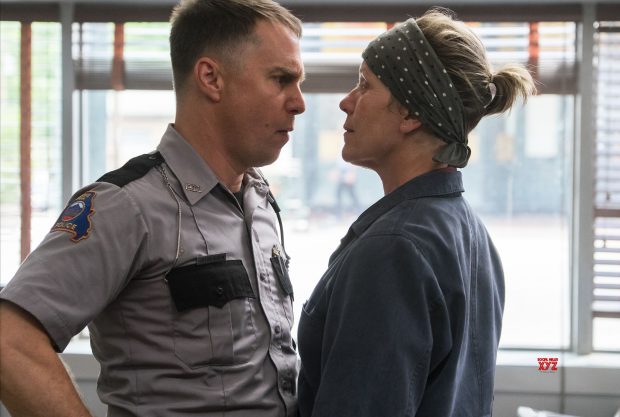
36 – Three Billboards Outside Ebbing, Missouri

An extraordinary, near-Shakespearian meditation on misdirected rage, guilt and grief, deeply marred by clumsy lunging into a loud theme of racism and a strong sense that the film neither knows nor especially cares about the culture it’s portraying. Frances McDormand excels as the bullish, bellicose, foul-mouthed mother, but the film suffers as it shifts its focus to Sam Rockwell’s stereotypical racist hick. The central premise is brilliant; its treatment is ultimately uneven, and although there are elements we absolutely adore, we can’t get its lurches between tones out of our heads. Rewarding to watch, though, and it would benefit from a second viewing.

The podcast can be listened to in the player above or at this link.

With José Arroyo of First Impressions and Michael Glass of Writing About Film.
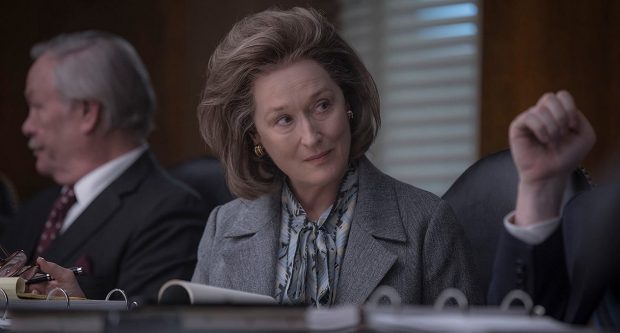
35 – Darkest Hour

A chamber piece about history which evokes a combination of Rembrandt and an old photograph. We discuss how Joe Wright might be getting short shrift as a director and the excellence of the performances: Gary Oldman, Kristin Scott Thomas, Ben Mendelsohn and Lily James are all marvellous. We discuss how the film is not the life of Churchill but a few defining weeks in his life, and how it depicts the political side of the chaos in Nolan’s Dunkirk.

Mike highlights how the cemeteries of Belgium and northern France tell a very different story from the official one in relation to Britain’s ‘going it alone’ in the two World Wars, and declares that one scene of clearly fabricated fantasy undermines any notion of historical verisimilitude. We discuss how the film’s emotional manipulations are cheap but how one finds oneself responding to the film’s jingoism. We are in agreement that Nigel Farage wants to be Oldman’s man-of-the-people Churchill – the entire film is rather Brexity.

José would really like to see a film that focuses on the relationship between Clemmie and Winston, played of course by Scott Thomas and Oldman, and there’s a wonderful volume of letters full of sketches of kitties and piggies called Speaking For Themselves that he wishes someone would draw on for a film. (He didn’t say that in the podcast but he wants to make it known here.)

The podcast can be listened to in the player above or at this link.

With José Arroyo of First Impressions and Michael Glass of Writing About Film.

32 – Mountains May Depart

Mike’s brother corrects our pronunciation of director Jia Zhangke’s name, helping us settle into a discussion of his ambitious, deeply moving tale of friendship and loss that spans two and a half decades. We talk about motifs of keys and coats, themes of capitalism and home, the changing aspect ratios and clarity of the image, the documentary feel to its portrayal of Fenyang and the way of life there, and much more besides. We admire almost everything and still can’t get Go West out of our heads.

The podcast can be listened to in the player above or at this link.

With José Arroyo of First Impressions and Michael Glass of Writing About Film.

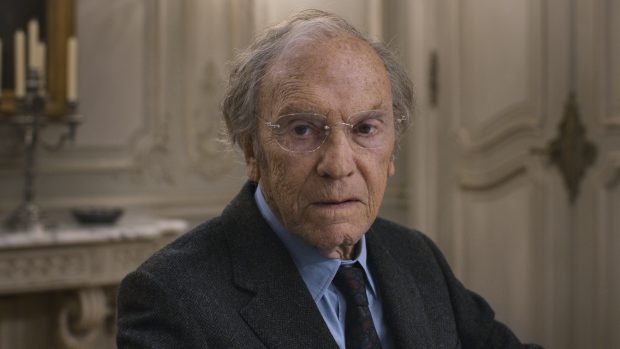
30 – Happy End

Michael Haneke’s precise, layered Happy End takes on – what else? – the bourgeoisie, and sees Eavesdropping welcome 2018 and iTunes availability at last! Opening with praise for the extraordinary image quality provided by the mac’s 4K projector, we consider the film’s surprising comic sensibility, its observation of different social strata, how our expectations shaped our experiences of what we saw (or didn’t see), Haneke’s careful craft and subtle subversions of cinematic conventions, and his continued exploration of violence as a central theme.

And, finally, in a revelation to rival Psycho and The Sixth Sense, we nervously admit that we enjoyed the film as one might enjoy a Hollywood comedy or a trip to the zoo. Even now it’s tough to come to terms with that. Perhaps that is Haneke’s greatest achievement and truest subversion. We never before knew that he wanted us to have a good time.

The podcast can be listened to in the player above or at this link.

With José Arroyo of First Impressions and Michael Glass of Writing About Film.

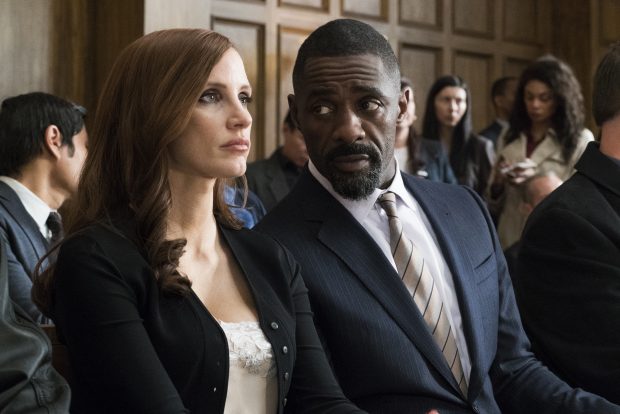
29 – Molly’s Game

Eavesdropping celebrates the New Year with a snappy, sharp crime flick about the world of underground, high-stakes poker. We discuss the material’s weakness, our different takes on Molly’s character, the film’s descent into schmaltz, daddy issues, Sorkin’s directorial mediocrity, the audience’s response to his dialogue, and the way Star Wars is dominating every bloody screen in every bloody cinema. At the end José makes Mike choke on his own laughter.

The podcast can be listened to in the player above or at this link.

With José Arroyo of First Impressions and Michael Glass of Writing About Film.
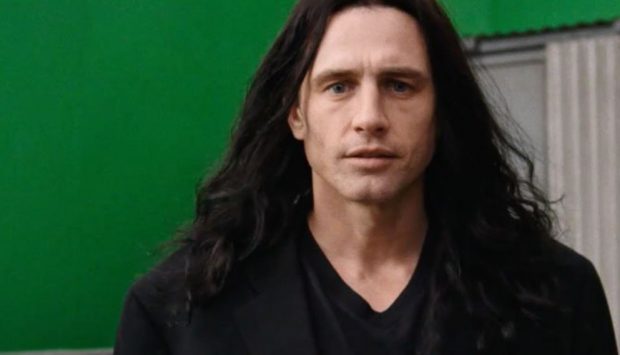
24 – The Disaster Artist

Cinema’s biggest in-joke is dramatised in James Franco’s fan project about the worst film ever made. We discuss the mean-spirited nature of finding films so bad they’re good, the lack of direction in The Disaster Artist, the quality of Franco’s central performance, and why we find the film so self-indulgent.

The podcast can be listened to in the player above or at this link.

With José Arroyo of First Impressions and Michael Glass of Writing About Film.
23 – Film Stars Don’t Die in Liverpool

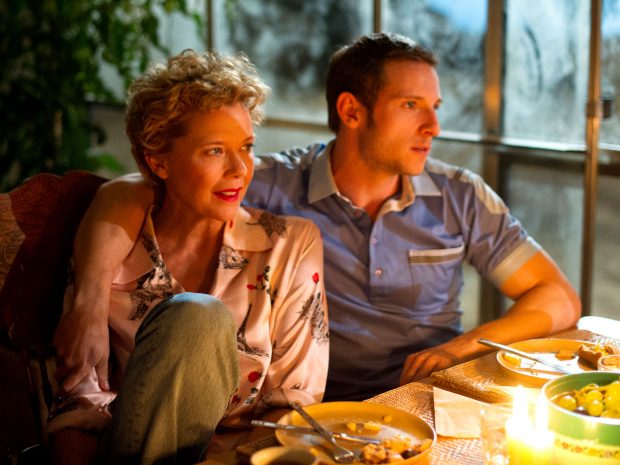
We begin with an embarrassing admission from Mike and some reminiscences of stars past from José before discussing Film Stars Don’t Die in Liverpool, a biopic of Gloria Grahame’s relationship with a younger man, which features two towering performances and not very much else. For once, Mike doesn’t believe it’s his terrible cruelty that prevents him from crying in a film – but what, then, is it?

Also – thoughts on The Electric in Birmingham, the UK’s oldest working cinema. Why don’t we discuss it more? It’s independent, it’s notable, it should be an art house. We finally get around to it.

The podcast can be listened to in the player above or at this link.

With José Arroyo of First Impressions and Michael Glass of Writing About Film.
21 – The Florida Project

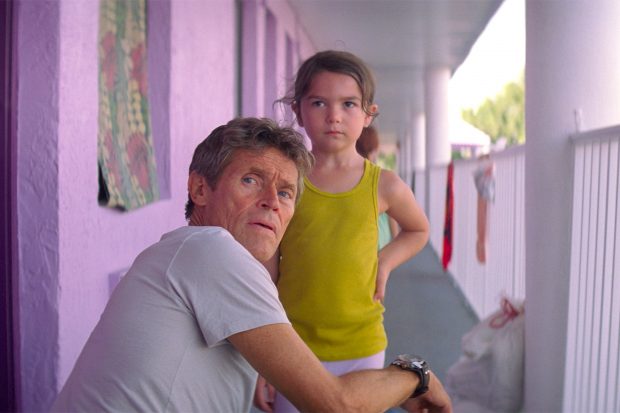
Sean Baker’s The Florida Project incites ruminations on the representation of underclasses in cinema; the emergence of a new American neorealism; clichés of slice-of-life and childhood films; what audiences owe to films that are truly reaching, even beyond their grasp; why a man who can cry at Toy Story can’t open himself up to stories of genuine human pain; and how revolting the colour lilac is.

The podcast can be listened to in the player above or at this link.

With José Arroyo of First Impressions and Michael Glass of Writing About Film.
12 – The Snowman

A film one of us was looking forward to enormously. A Scandinoir thriller coated with dense snow. But did it leave us cold?

The podcast can be listened to in the player above or at this link.

With José Arroyo of First Impressions and Michael Glass of Writing About Film.
11 – Blade Runner 2049 – Second Screening

We couldn’t stay away. And with a second viewing, time to percolate, and responses from friends informing us, Eavesdropping once again delves into Blade Runner 2049.

What to make of the film’s representation of women? How does the film use names? Why did Mike have a little weep at the end this time? Do gay women have cottages? Does the film function as a story about slavery? What about criticisms of its lack of diversity in casting?

Why do people think this film is dull? Is it the film’s fault? Television’s? Humanity’s? Why don’t we care to engage visually any more?

Most importantly, what do the bees mean?

The podcast can be listened to in the player above or at this link.

With José Arroyo of First Impressions and Michael Glass of Writing About Film.