Tag Archives: drama

88 – Red Sparrow

We catch up on home media with an erotic thriller that, while it fails to titillate, offers a fascinating portrayal of totalitarianism, sexuality, control and ownership of the female body and the way power is expressed through it, revenge, and more. Jennifer Lawrence stars as a ballet dancer forced into working for the state as a honeypot, tasked with seducing Joel Edgerton’s CIA operative for the purpose of smoking out his mole.

We are in agreement on the extravagant thrill of the opening, and the electifying darkness of the sex school’s complex dynamics and brutal methods. Mike is less interested in what occurs when the action moves into the field, and holds out hope for an ambitious (and insane) conclusion; José, more realistic, expounds on why the film’s developments should be interesting enough for Mike as they are. The plot grows convoluted, the visual design less expressive, but ultimately we love what Red Sparrow offers and wish we’d caught it when it was at the cinema.

The podcast can be listened to in the players above or on iTunes.

With José Arroyo of First Impressions and Michael Glass of Writing About Film.
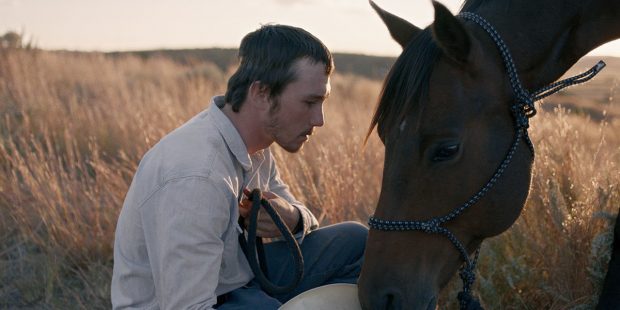
86 – The Equalizer 2

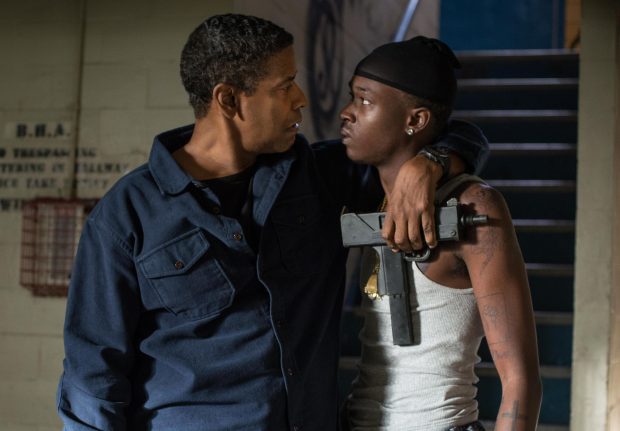
Quiet, meditative, sensitive, gradual. Not the first words that come to mind when considering 2014’s vigilante thriller The Equalizer – though they do apply at times – but certainly descriptors of its sequel, which we loved. Denzel Washington’s ex-spy, Robert McCall, who had managed to extricate himself from a life of state-sanctioned violence and murder, now works as a vigilante for hire, an avenger, conducts himself as a role model, mentor, and cheerleader for those whose lives with which he comes into contact.

We discuss The Equalizer 2‘s ethos of personal responsibility and self-improvement, and its meditative tone. José orates on his love of Denzel and his position as perhaps the most significant figure of black masculinity throughout the history of cinema. Mike adores Antoine Fuqua’s aesthetic of long lenses, shallow focus and moody lighting; a visual sensibility that looks wonderful and intimidating on the big screen, but somehow makes small screens seem big too.

While it’s certainly cut from the same cloth as the first film, The Equalizer 2 is more confident to bask in contemplation and even a kind of plotlessness, and it’s not quite what you’d expect. We think it’s great. Worth seeing while it’s in cinemas.

The podcast can be listened to in the players above or on iTunes.

With José Arroyo of First Impressions and Michael Glass of Writing About Film.
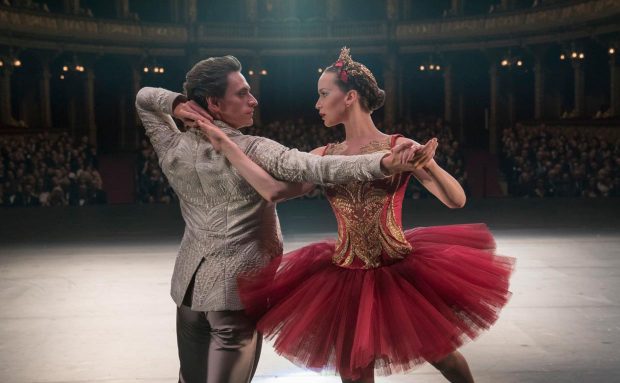
84 – BlacKkKlansman

We breathlessly debate BlacKkKlansman, Spike Lee’s comic drama based on the true story of Ron Stallworth, a black police officer who infiltrated the Ku Klux Klan in the 1970s. With limited time – Mike has to leave for work at some point and he’ll only let himself be so late – we dig right in. Discussed is the film’s point of view on culture and particularly cinema, arguing that a single film can wield the power to affect an entire nation; John David Washington’s performance, the influences we can see in it, and whether a more charismatic star might have been beneficial; our attitudes to Lee’s pamphleteering and the pros and cons of propagandistic cinema; the film’s direct address of Trump’s America and its tragic, somewhat surprising ending; and more.

We question whether the film’s comic treatment of David Duke, head of the KKK, carefully undercuts our delight in mocking him or dangerously indulges it. Duke is rendered a figure of fun in some notable and hilarious scenes, but the film ensures we recognise that he has never gone away. And Mike is particularly affected by Adam Driver’s character, a Jew in name only who, through being threatened by the KKK and confronted by Ron, is forced to reckon with his identity and the fact that it’s been easy for him to ignore it for most of his life. (The Howard Jacobson article he references is linked here: https://www.theguardian.com/world/2018/apr/07/howard-jacobson-jews-know-what-antisemitism-is-and-what-it-isnt-to-invent-it-would-be-a-sacrilege)

As we acknowledge in the podcast, we unfortunately missed the first few minutes of the film, which is only one reason we want to see it again. Mike is bursting with thoughts and can’t get them all out; Jose vacillates on the film’s artistic value, though not its cultural value. There’s much, much more to consider in BlacKkKlansman than we were able to in this podcast and we shall return to it.

The podcast can be listened to in the players above or on iTunes.

With José Arroyo of First Impressions and Michael Glass of Writing About Film.
83 – Mamma Mia! Here We Go Again

It’s been out for four weeks and finally we decide to grapple with Mamma Mia! Here We Go Again. Mike has just recently caught up with the first film, a jukebox musical that José disliked, and both are disappointed with the sequel’s lack of instinct as to what makes a musical actually work. Mike points out some elements of story structure he found original, and Jose is impressed with how the film juggles its vast cast of characters, but they disagree on Cher. (Spoiler: José really loves Cher.)

Neither comes away really having enjoyed the film, though neither is really the target audience either. But there’s fun to be had in critiquing it!

The podcast can be listened to in the players above or on iTunes.

With José Arroyo of First Impressions and Michael Glass of Writing About Film.

65 – Tully

Charlize Theron stars in Tully, Jason Reitman and Diablo Cody’s fourth collaboration as director and screenwriter, as a mother of two with a third on the way, heavily put upon and struggling financially and personally, who hires a nanny to help her out at night. We find room for both praise and criticism, José in particular singling out Reitman’s direction for his ire and Mike disappointed in the film’s ultimate treatment of its central female friendship, but keen to discuss its portrayal of stress and mental illness.

The podcast can be listened to in the player above or on iTunes.

With José Arroyo of First Impressions and Michael Glass of Writing About Film.

63 – Custody

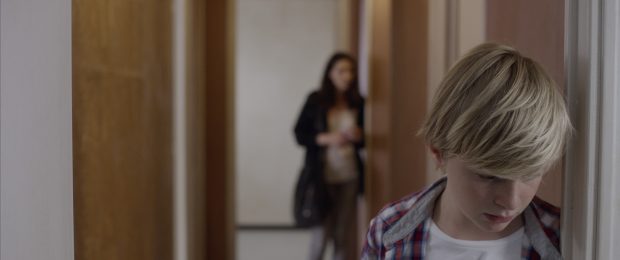
This week we go arthouse and discuss Xavier Legrand’s first feature, Custody (Jusqu’à la garde), though ‘arthouse’ perhaps only in the sense that it’s subtitled. In some ways, the film is shot in a realist style, halfway between British kitchen sink drama and the Dardennes’ more leisurely, microscopic style. The film revolves around a couple in the process of divorce battling for custody of their young son. The boy wants to stay with his mother. Has he been coached? Is his mind being poisoned against his father?

We discuss how the first section is basically an exposition of the law where the father is surrounded by women, how the film initially orchestrates the audience’s sympathy around the father, and how this changes as the film unfolds. Is the film a critique of male privilege? Why is it so unpleasant so watch? Is it material that television handles better? What’s the point of putting an audience through this type of experience? We both adore Denis Ménochet as the father but really praise the whole cast. José loved it; Mike did not. The conversation as to why this is so occupies much of the second half of the podcast.

The podcast can be listened to in the player above or on iTunes.

With José Arroyo of First Impressions and Michael Glass of Writing About Film.

59 – Journeyman

A boxing film that opens with its climactic fight and develops drama in its aftermath. We find Journeyman disappointingly contradictory – a showcase of performance, writing, and observation, executed with no cinematic nous or flair. Paddy Considine lacks credibility as a world champion boxer, but captures beautifully the impotent rage and misery of such a star physically and mentally diminished. His road to recovery is a clever and interesting twist on the typical boxing film formula of training for a life-changing fight, executed too sappily and casually.

A film we like but don’t admire.

The podcast can be listened to in the player above or on iTunes.

With José Arroyo of First Impressions and Michael Glass of Writing About Film.
41 – Downsizing

Mike is in a tailspin of grief. José likes Matt Damon and little else. It’s Downsizing, a film that looked good in the trailers. Ostensibly a light satire on middle class life and aspiration, it leads us into discussions of its attempt to weave several themes together, its lack of humour, the way it constructs its worlds, whether its use of stereotypes drifts into offensiveness, and most importantly, how unbelievably tedious it is.

Mike reminisces about the few movies he saw at the cinema that inspired him enough to leave the film for a bit to play on his phone, or just leave. And Sideways is rubbish too.

The podcast can be listened to in the player above or on iTunes.

With José Arroyo of First Impressions and Michael Glass of Writing About Film.

39 – Three Billboards Outside Ebbing, Missouri – Second Screening

Feeling he gave it short shrift the first time, Mike’s keen to revisit Three Billboards, and drags José along for the ride. With the clumsy handling of race issues clouding the film less, we pick up on listener feedback that leads us into ruminations on Frances McDormand’s Mildred, particularly her defiance of the misogynist society in which she lives and zealous attitude towards collective responsibility, and whether the character arc of Sam Rockwell’s Dixon truly is a redemptive one.

We also double down on our criticism of the film’s use of derogatory terms, Mike’s been reading about Flannery O’Connor on Wikipedia, and we consider what would have been gained and lost had the film been written and directed by the Coens.

The podcast can be listened to in the player above or on iTunes.

With José Arroyo of First Impressions and Michael Glass of Writing About Film.

37 – The Post

Spielberg. Streep. Hanks. Nixon. A political thriller that adopts some clichés and slightly sidesteps some expectations, The Post is a historical drama that follows the internal conflict at the Washington Post during the Pentagon Papers scandal. We find plenty to talk about in its parallels with the Trump White House and the current President’s attacks on the news media; its careful but stilted style; its relationship to the 70s cinema it evokes; its central figure of a woman out of place in a world of men; and the balance between its nationalistic boosterism of the US Constitution and American exceptionalism on the one hand, and on the other, its surprisingly direct denunciation of the powers that be in Washington. You can literally hear Mike learning about the Nixon era, live!

Also discussed: Mike loves Bridge of Spies, José doesn’t love Bridge of Spies, Mike thinks Spotlight is uniquely brilliant, José espouses his theory on Meryl Streep’s stardom, and old people are pricks.

The podcast can be listened to in the player above or at this link.

With José Arroyo of First Impressions and Michael Glass of Writing About Film.