A captivating performance from Matthias Schoenaerts as a long-time inmate in a Nevada prison gives The Mustang its heart and emotional centre. The story of an isolated man finding the ability to open up through a relationship he develops with a wild horse isn’t going to win any awards for originality and is pretty one-note, but has its pleasures, and is an easy watch.
Writer-director Laure de Clermont-Tonnerre calmly avoids asking obvious and important questions of the American prison system in favour of depicting the benefits of the horse training initiative – based on a real-life scheme that operates in a number of US states – and José suggests that her nationality has a part to play in this apparent lack of knowledge about the deep institutional issues involved, or at least her lack of interest in challenging them. The film indulges in cliché after cliché, but, for all its flaws and lack of imagination, Mike liked it, because that’s what he’s like, and we really can’t emphasise enough how good Schoenaerts’ central performance is.
The podcast can be listened to in the players above or on iTunes.
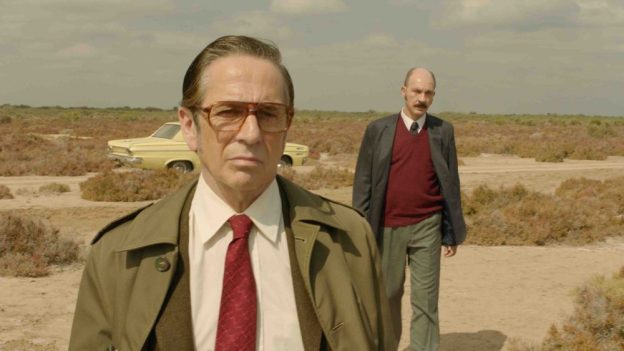
In the mid-Seventies, Argentina was terrorised by the Triple A (Argentine Anticommunist Alliance), a far-right death squad that disappeared countless people, and it is under this regime of fear and death that Rojo is set – with 1976’s military coup on the horizon. Disappearance is one of the film’s major themes and gives it its central structure: Dario Grandinetti’s Claudio, a lawyer, has an altercation with a rude young man in a restaurant and, though what follows is partially accidental, ends up leaving the man for dead in Argentina’s vast desert.
It’s the first act of disappearance in a film draped with them, disappearances that nobody speaks of, but everybody takes advantage of. Overt signals of the Triple A are absent here – the film shows us how daily life is affected, in a chilling atmosphere not of fear, but of acceptance. Friends are spoken of as having moved away. A house vacated by a family we never see is ransacked by otherwise well-to-do, middle-class neighbours, and presents a money-making opportunity. The culture isn’t fought, it is adjusted to.
Though we find great depth to Rojo‘s thematic complexity, we find less joy in its cinematic technique. José isn’t as critical as Mike, whose arse went to sleep through boredom, but despite an aesthetic that beautifully evokes the 1970s in every way, the film makes no real concessions to the audience, particularly lacking tension, which we feel there was ample opportunity for.
However, despite our criticisms, we recommend Rojo. It portrays a time and place rarely seen, and does so with intelligence and confidence. Its themes, of course, speak not just to mid-Seventies Argentina but keenly to today’s increasingly right-wing societies in Europe and America, and in that light its themes of complicity and adaptation to quotidian far-right terrorism constitute a warning.
The podcast can be listened to in the players above or on iTunes.
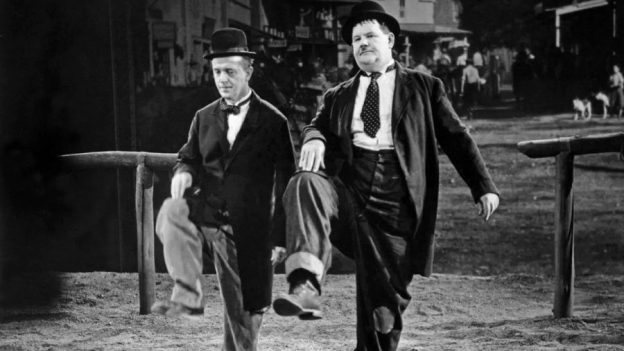
The Birmingham chapter of the Laurel and Hardy Appreciation Society shows a few of their films every year at the mac, and this year sees them screen two shorts, Twice Two (1933) and County Hospital (1932), followed by their classic Western feature, Way Out West (1937). We discuss Laurel and Hardy’s style, Mike comparing it favourably to cartoons and less favourably to the likes of Charlie Chaplin and Buster Keaton, and José remarks upon the joys of seeing a full audience of people aged 4 to 90 all laughing at these everlasting films.
The podcast can be listened to in the players above or on iTunes.
It’s as though we’ve seen two different films, with José bowled over by Joker‘s social commentary, Mike bored and annoyed by its perceived self-satisfaction – not to mention an audience that applauded at the end. Joaquin Phoenix’s Joker is explored to be a product of an uncaring, broken society that reaps in him what it sows, in a 1981 Gotham City that is the New York City of the era in all but name. José argues that the film will become a bellwether of the time, depicting the anger of the oppressed and downtrodden – Mike suggests, though, that in demonising them and aligning them to villainy, it gives the right-wing what it wants, in a vision of antifa, the enemy it believes it faces.
We discuss issues of race and representation, Mike seeing similarities between some of the film’s scenes and real-life historical crimes to which they may refer, and in observing racial components and changes to them, asks what the purpose may be, though, struggles to work towards an answer. And José remarks favourably upon everything aesthetic, including the way in which poverty is written into Phoenix’s withered form, the expressiveness and grace of his movement, and the film’s use of shallow focus.
There’s a lot going on in Joker, both on its own terms and in the cultural conversations it has ignited, and it may be worth a second go.
The podcast can be listened to in the players above or on iTunes.
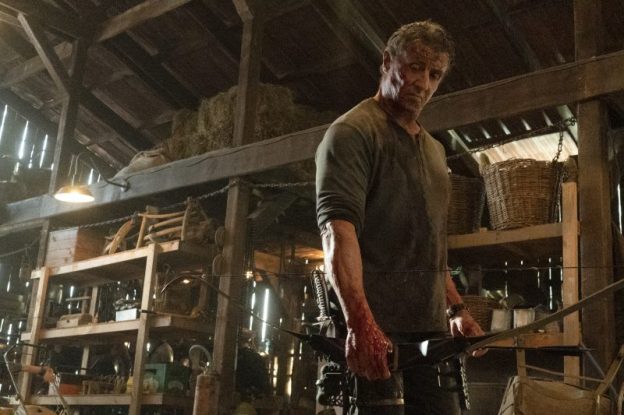
Donald Trump’s vision of Mexico as America’s terrifying, criminal neighbour to the south finds a home in Rambo: Last Blood, a film in which a journey to Mexico is no less than a descent into Hell, and the comfort of the USA means a ranch, horses, sunsets, and a subterranean network of tunnels in which to viciously trap and slaughter Mexican rapists. You may be surprised to hear that we weren’t that keen on it.
Considering Sylvester Stallone’s age – a mighty 73 years old – Last Blood‘s action can’t ask as much of him physically as did the Rambo films of old, but through the use of traps and ambushes, Stallone’s limitations are smartly made irrelevant. But that’s about as positive as we can get. This is a film that cost $50m, if the production budget figure on Box Office Mojo is to be believed, and if Stallone hasn’t taken $40m of that for himself it’s impossible to tell where it’s been spent. This is cheap, nasty, acrid cinema, and it spurs José to look back on Stallone’s career and decry it for not simply having too few hits but moreover representing a betrayal of what Stallone meant to immigrant kids and underdogs back when he broke out with Rocky in 1976.
Avoid Rambo: Last Blood like the self-mythologising, racist bile it is.
The podcast can be listened to in the players above or on iTunes.
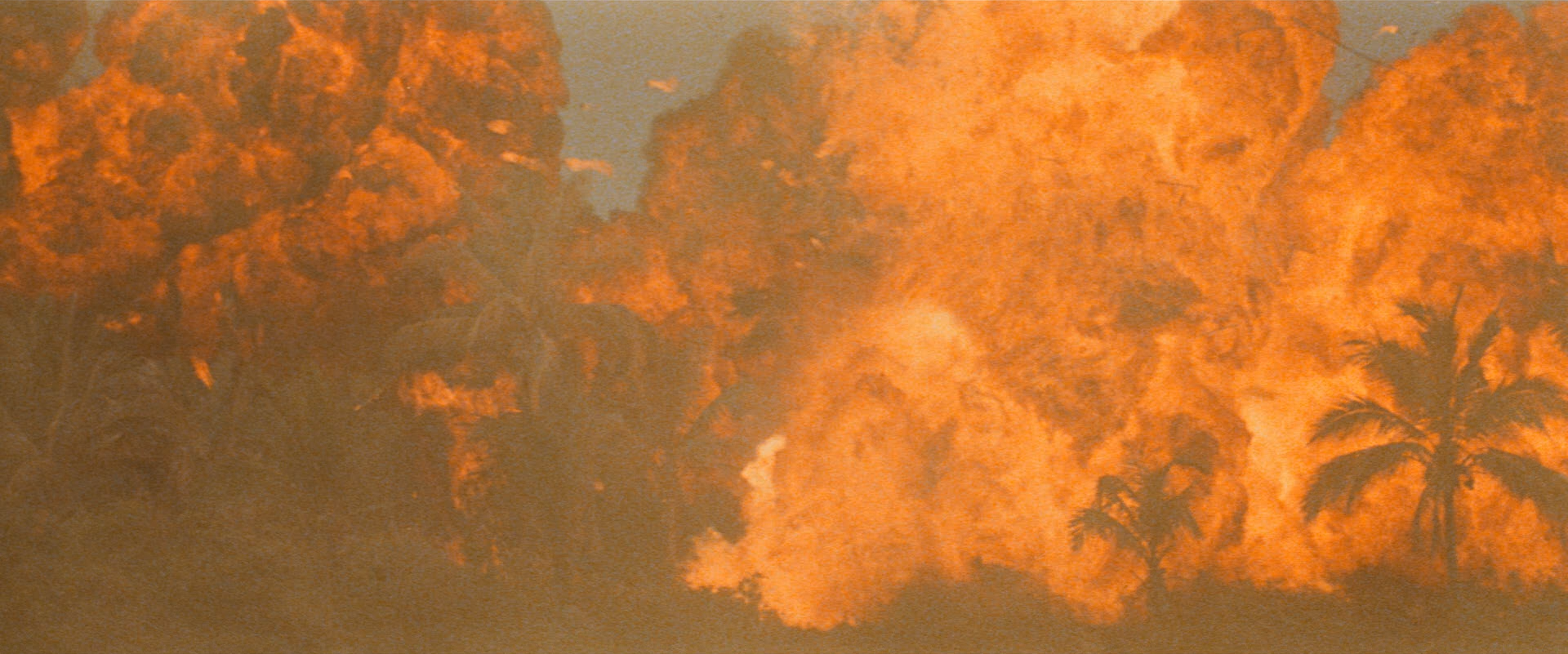
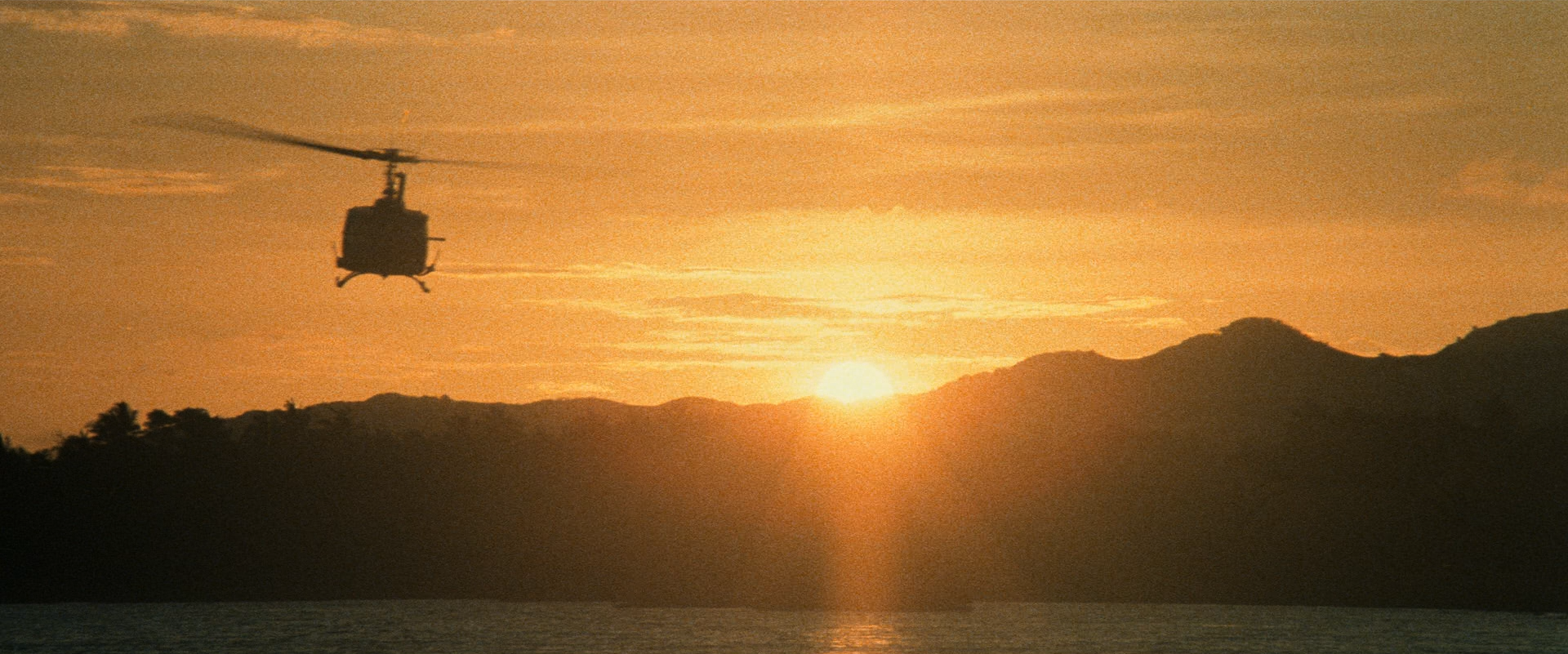
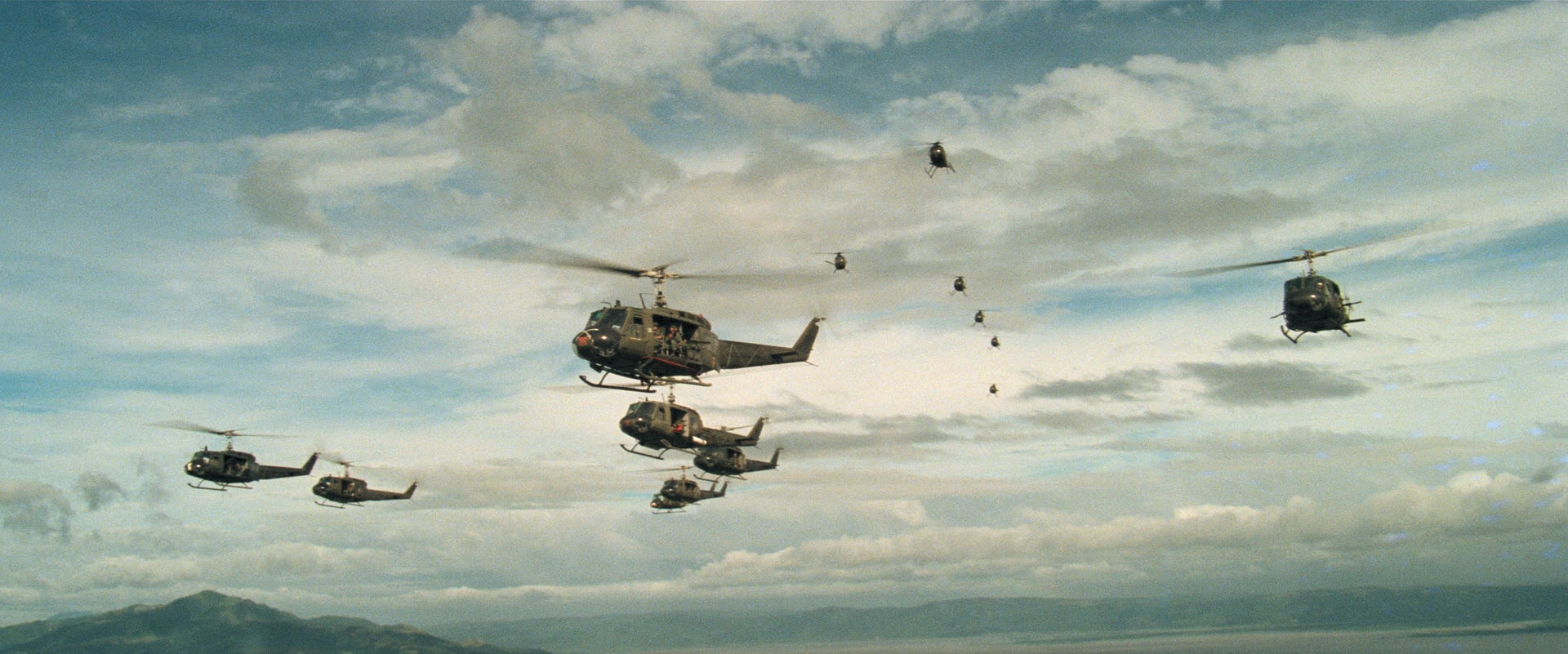
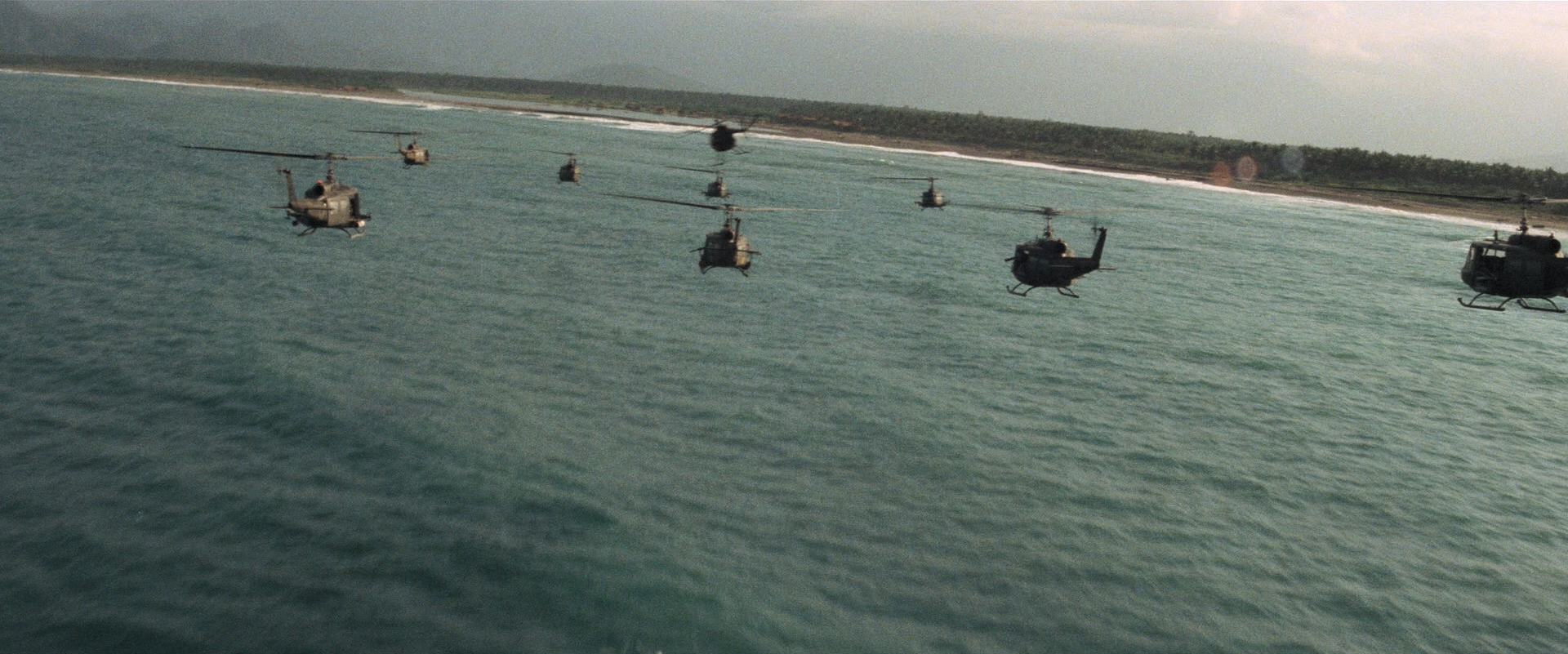
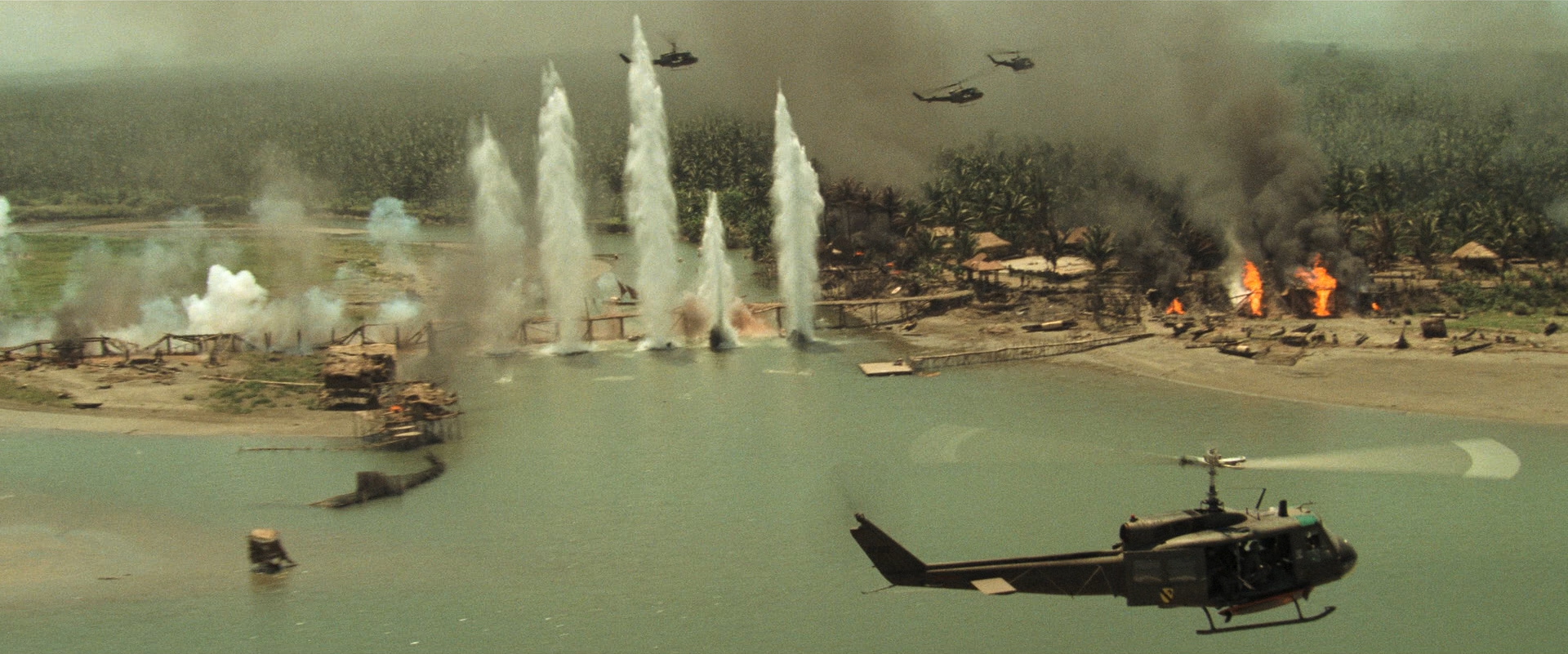
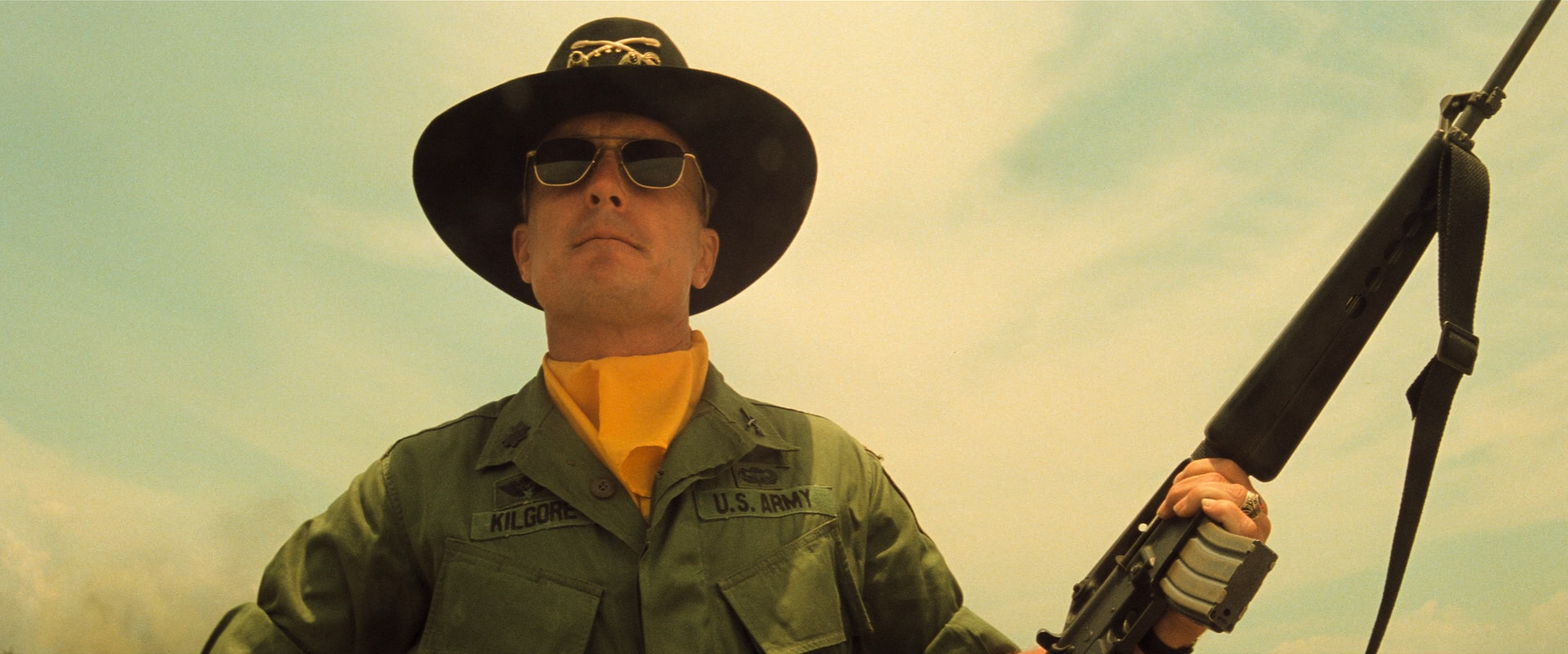
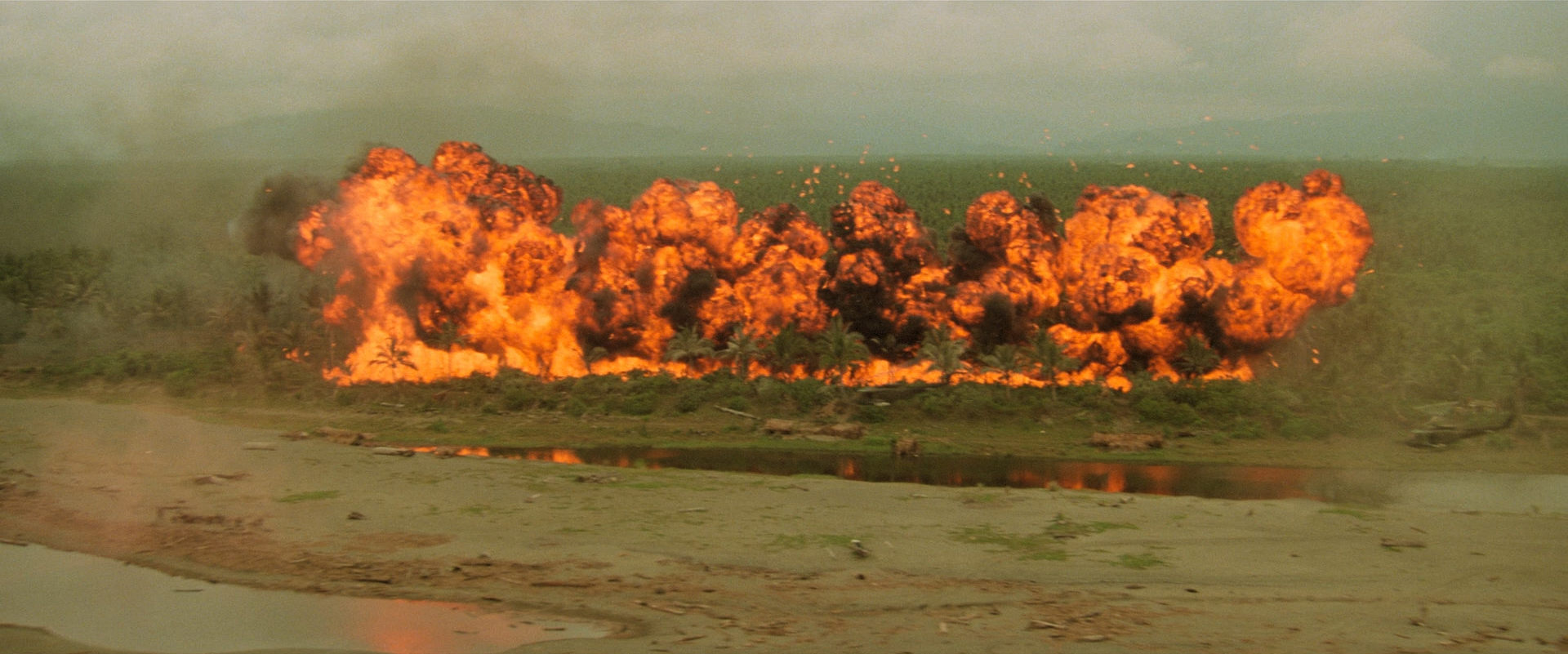
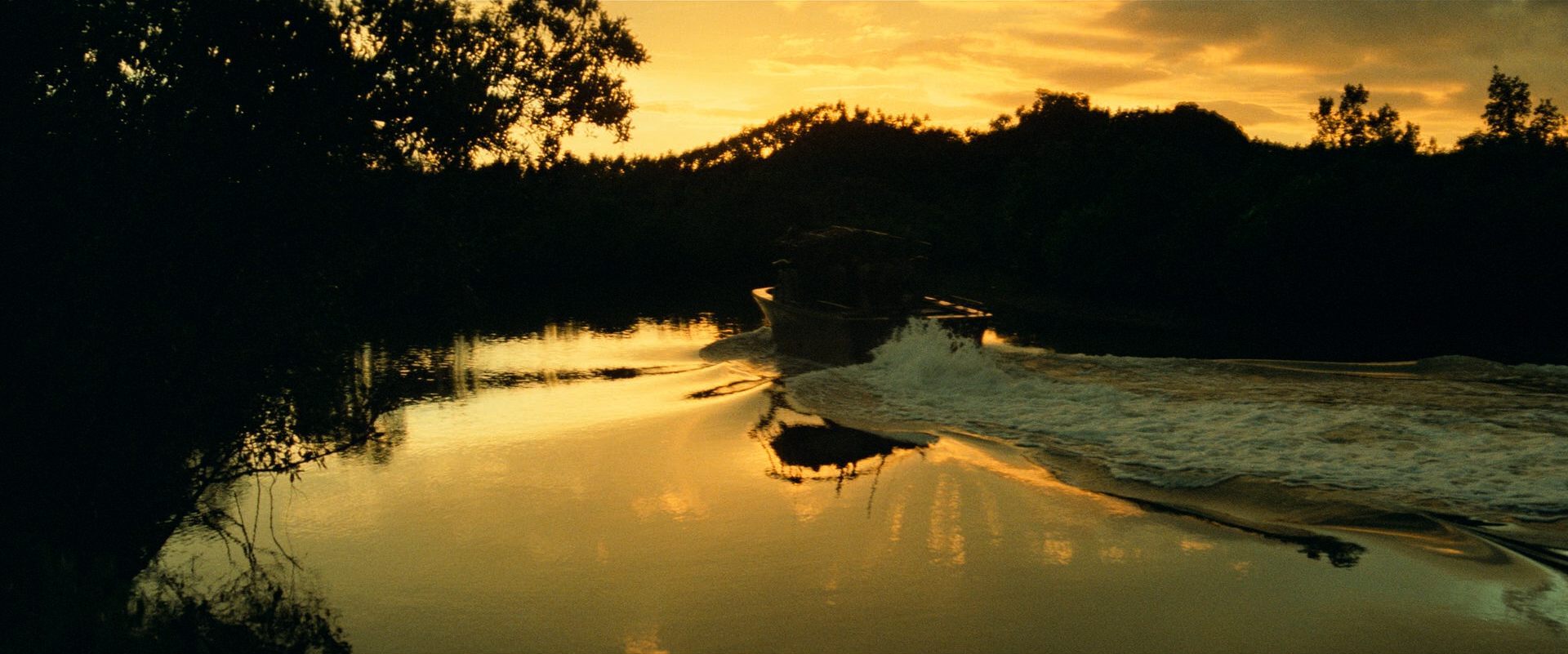
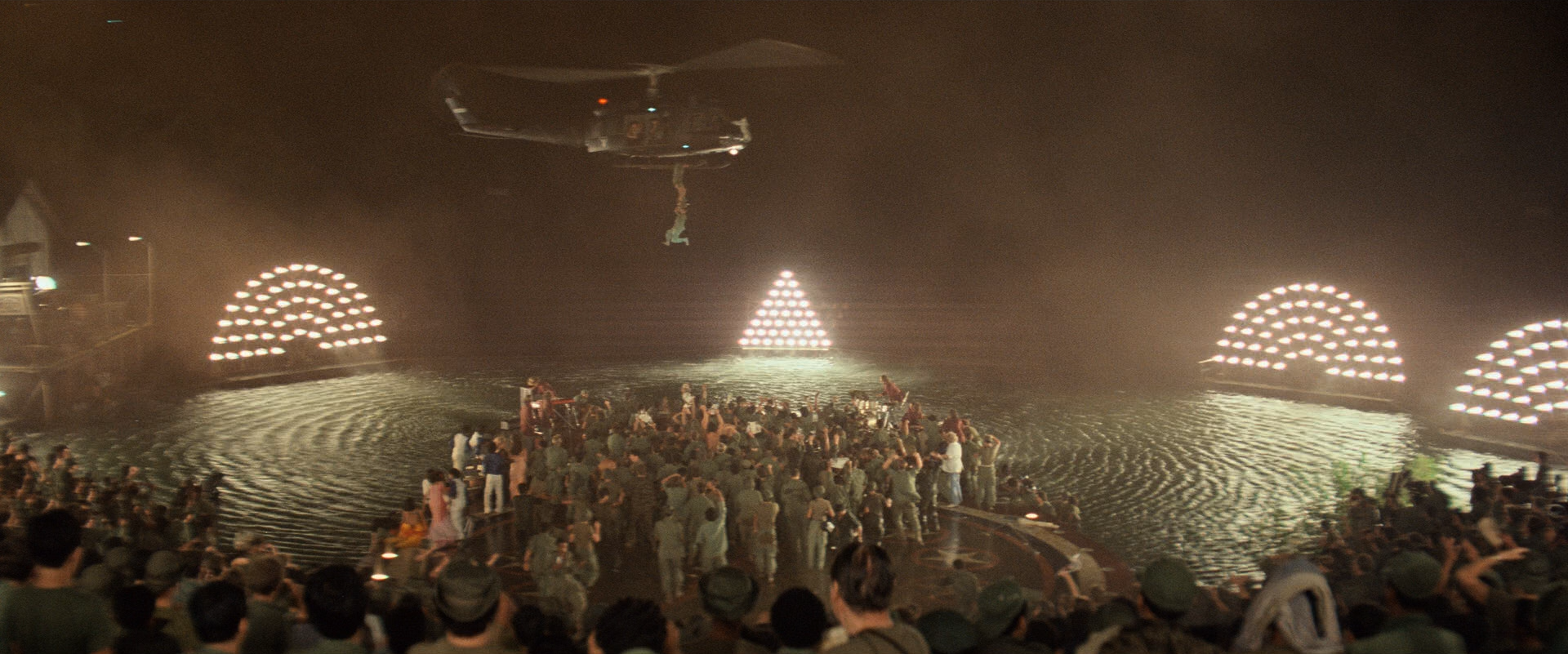
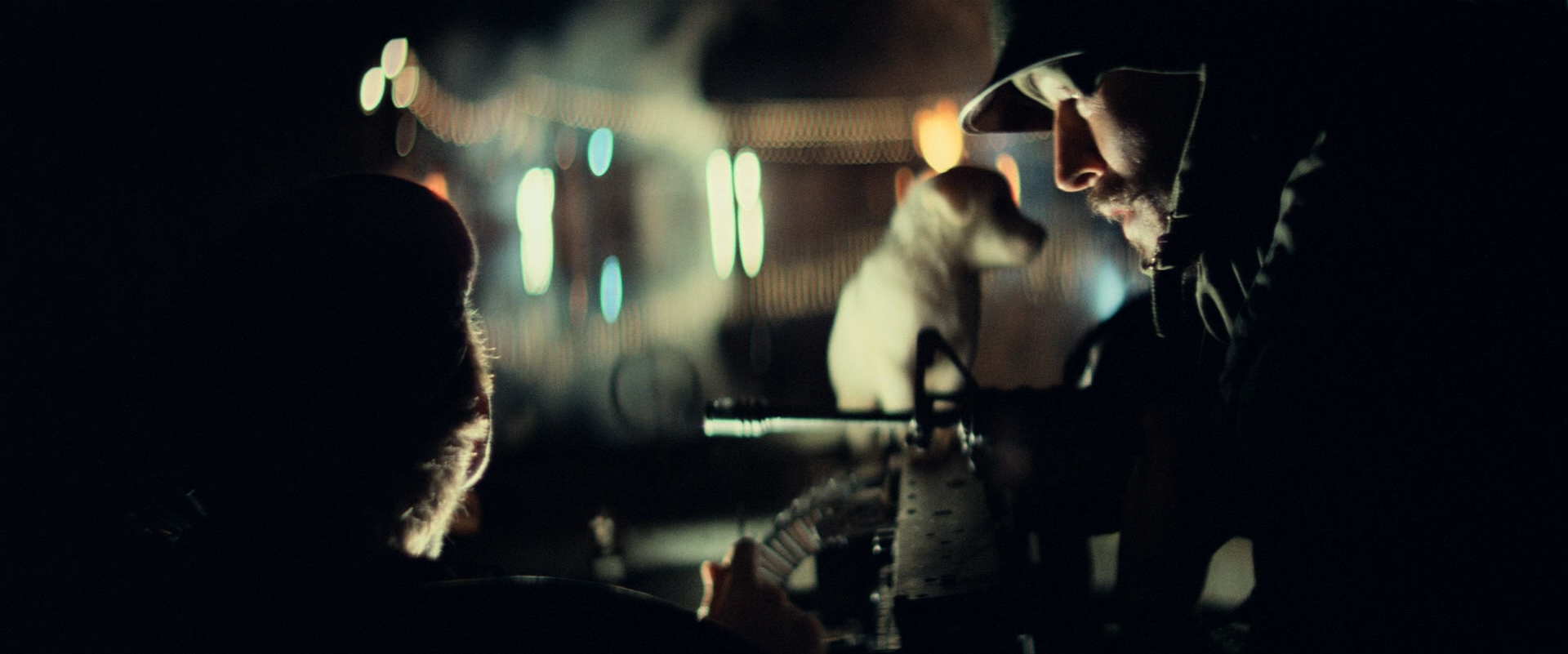
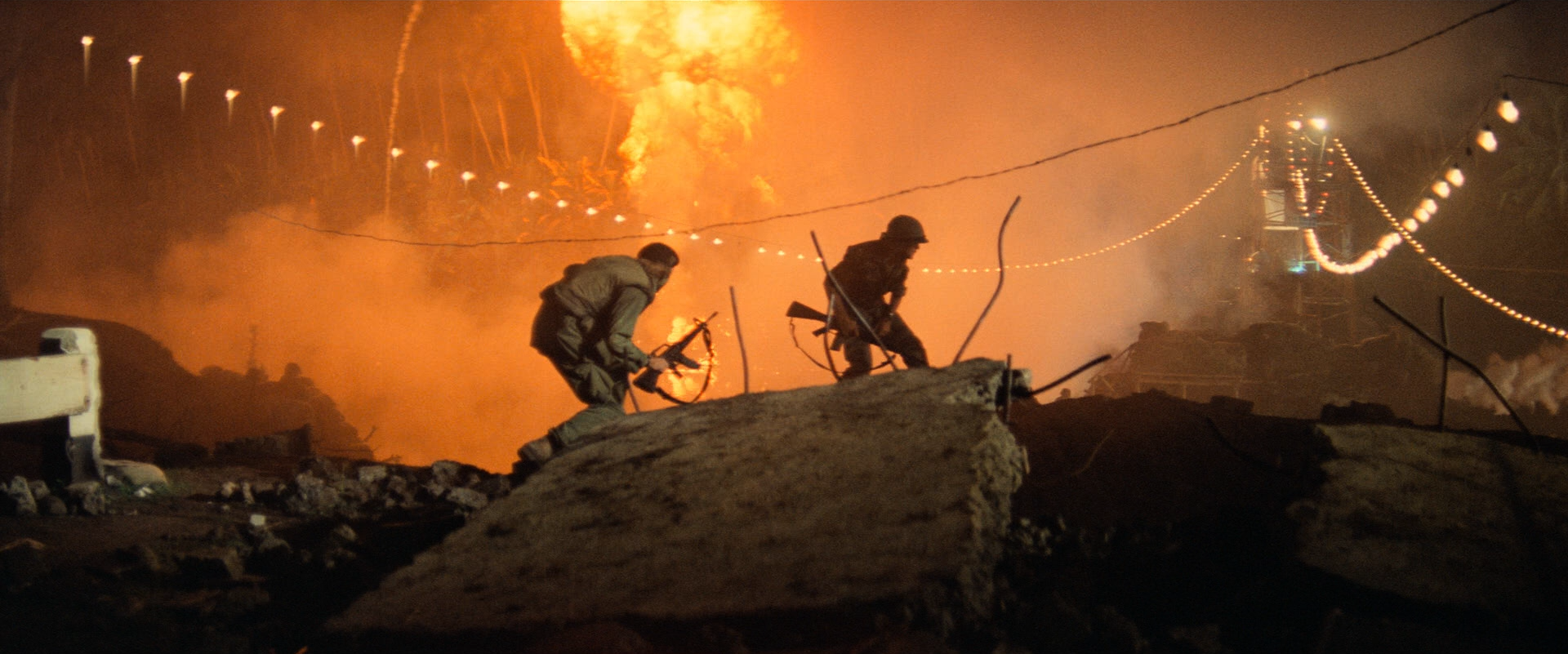
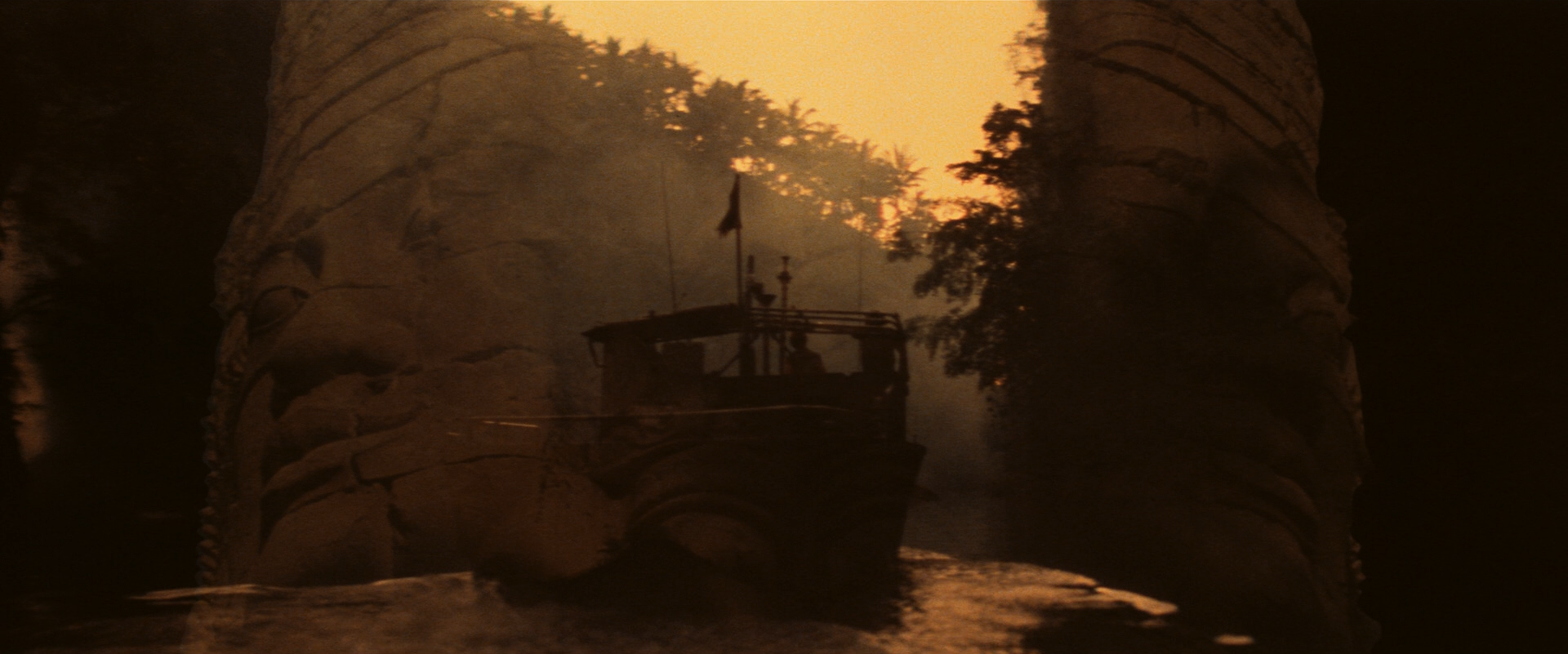
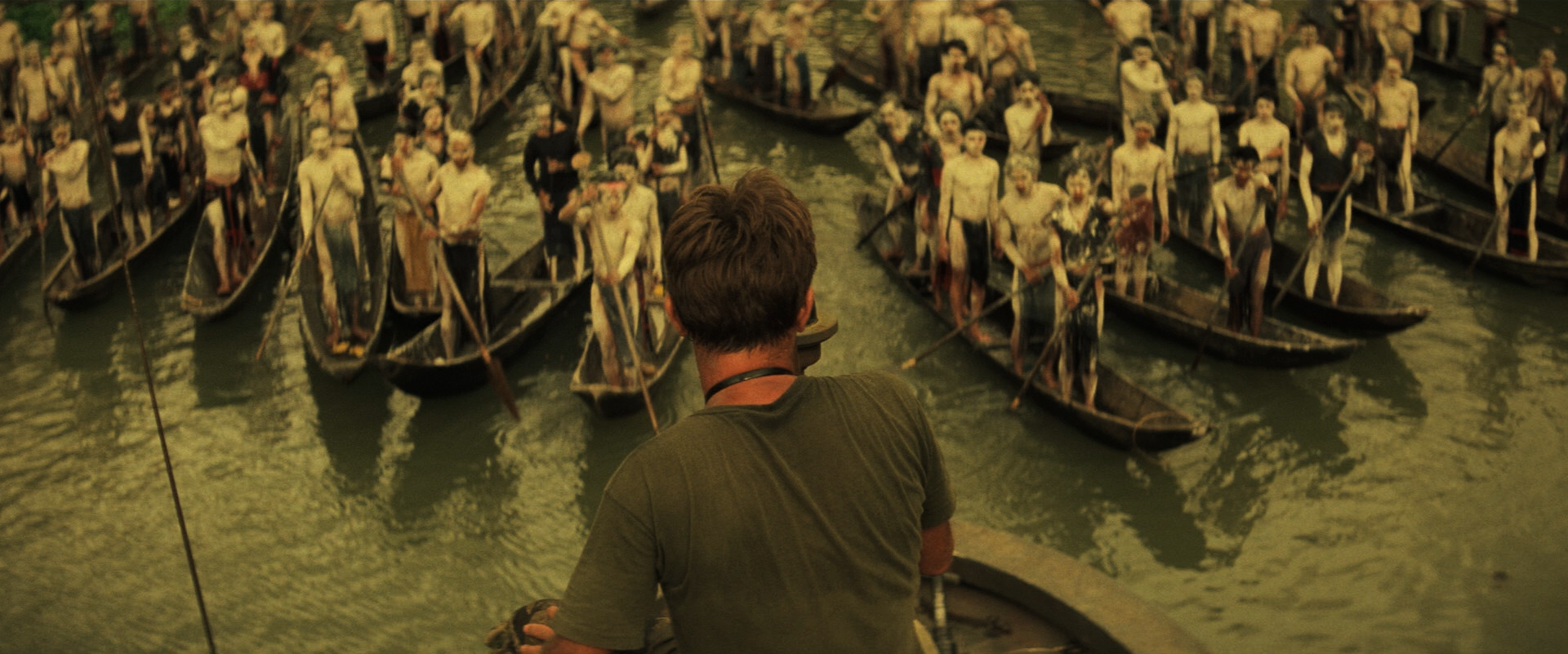
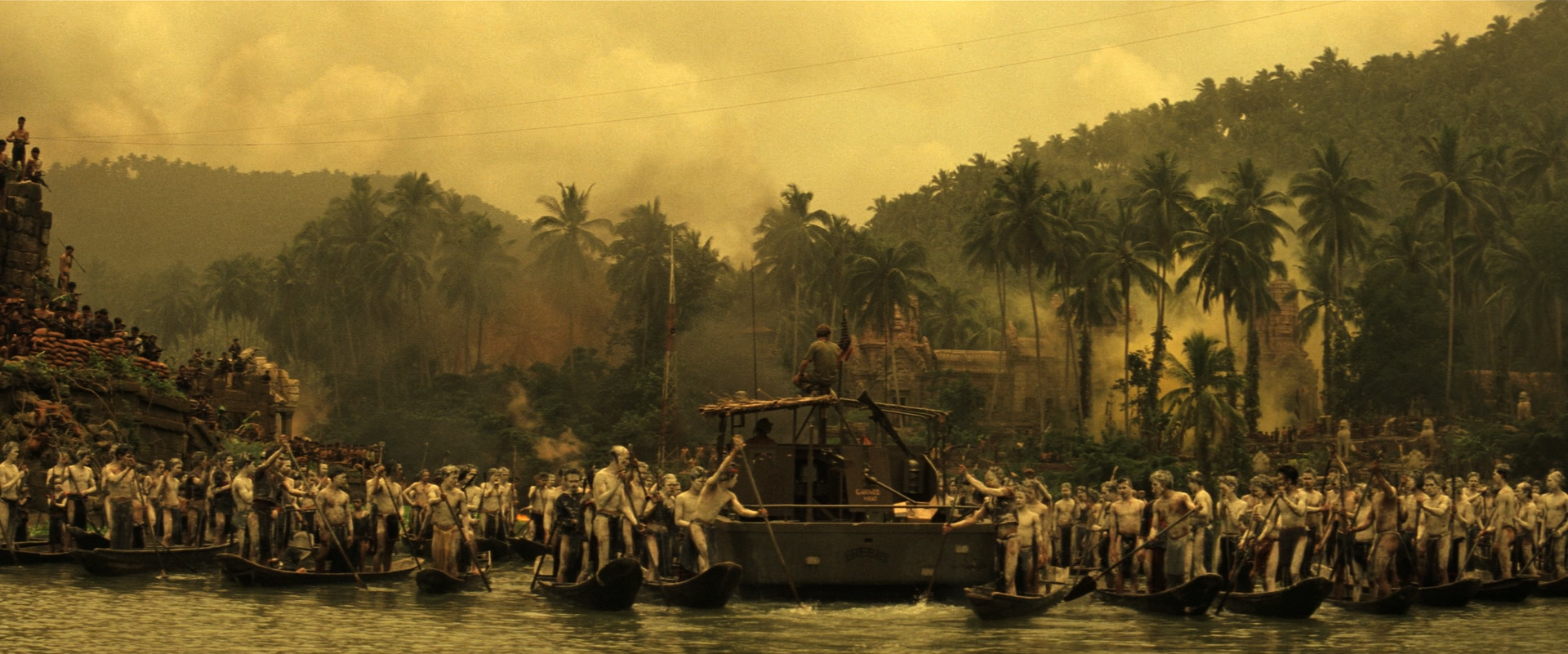
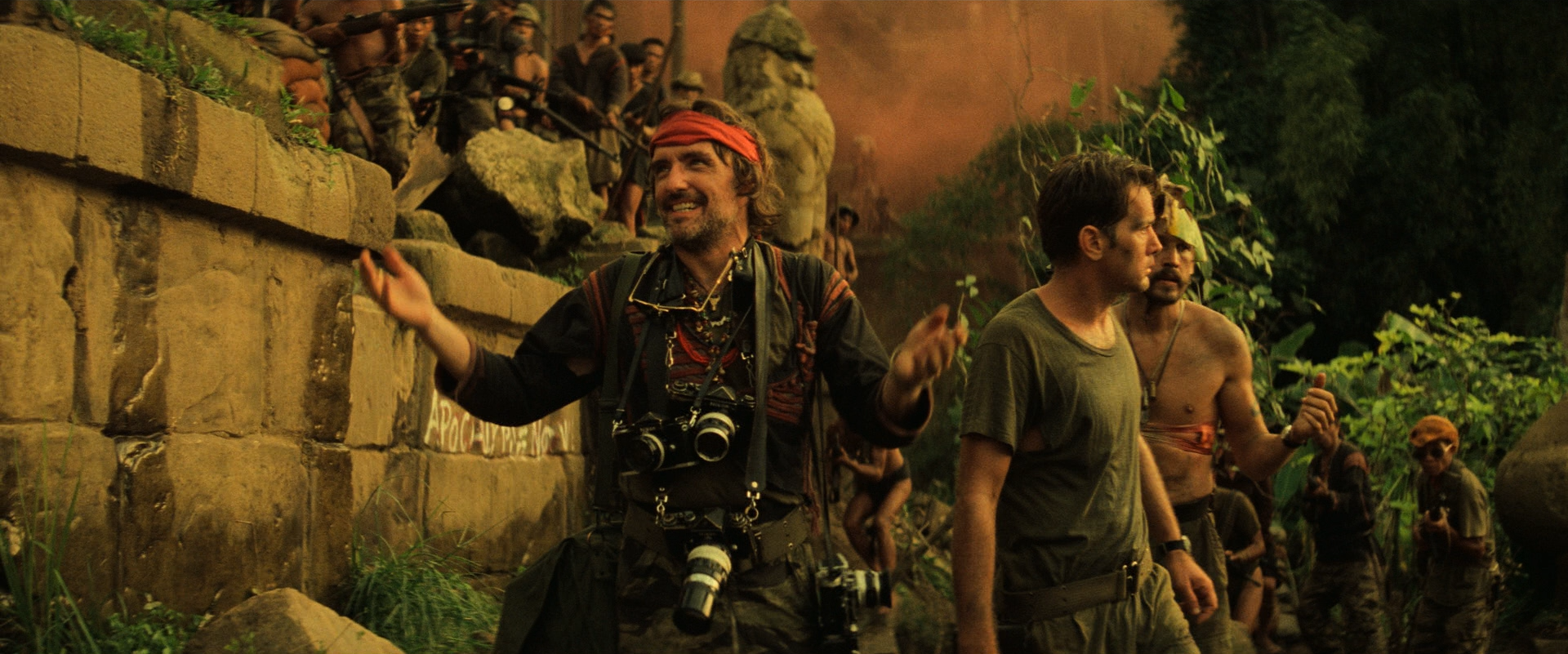
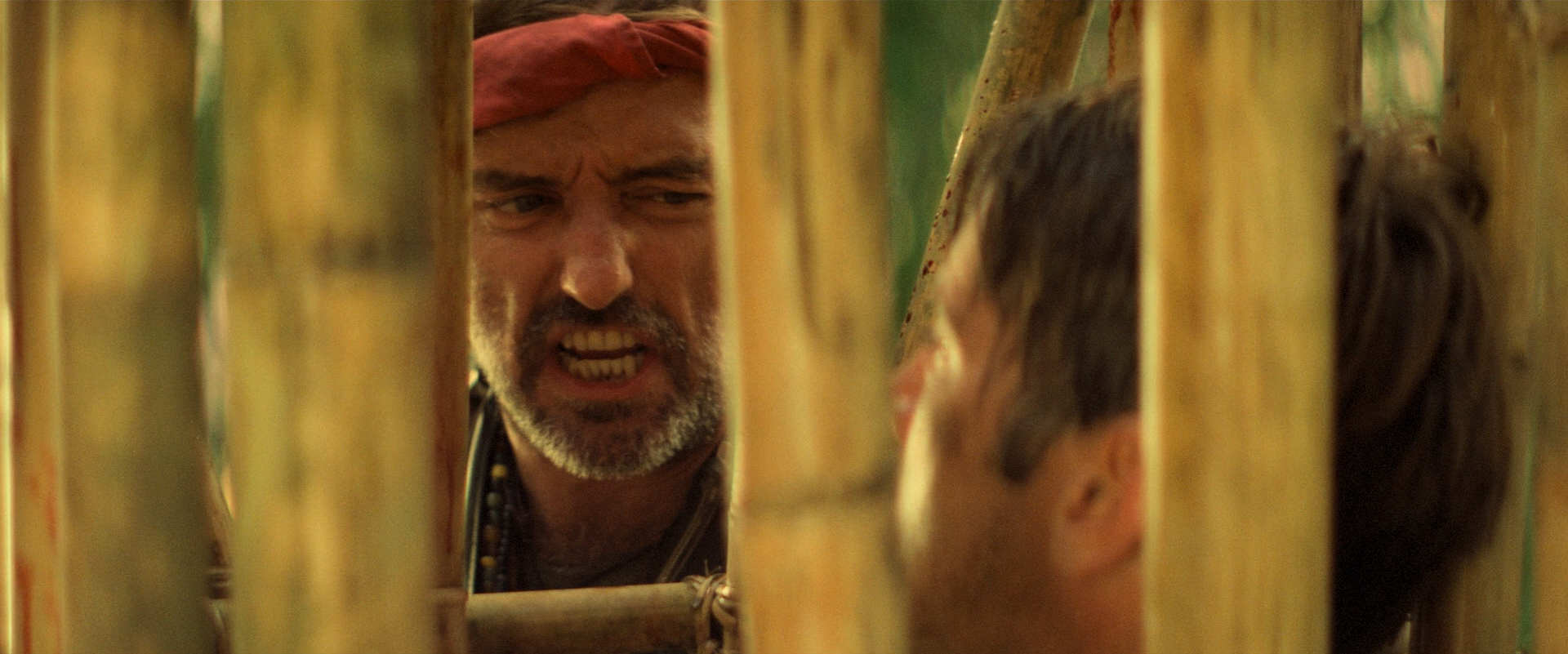
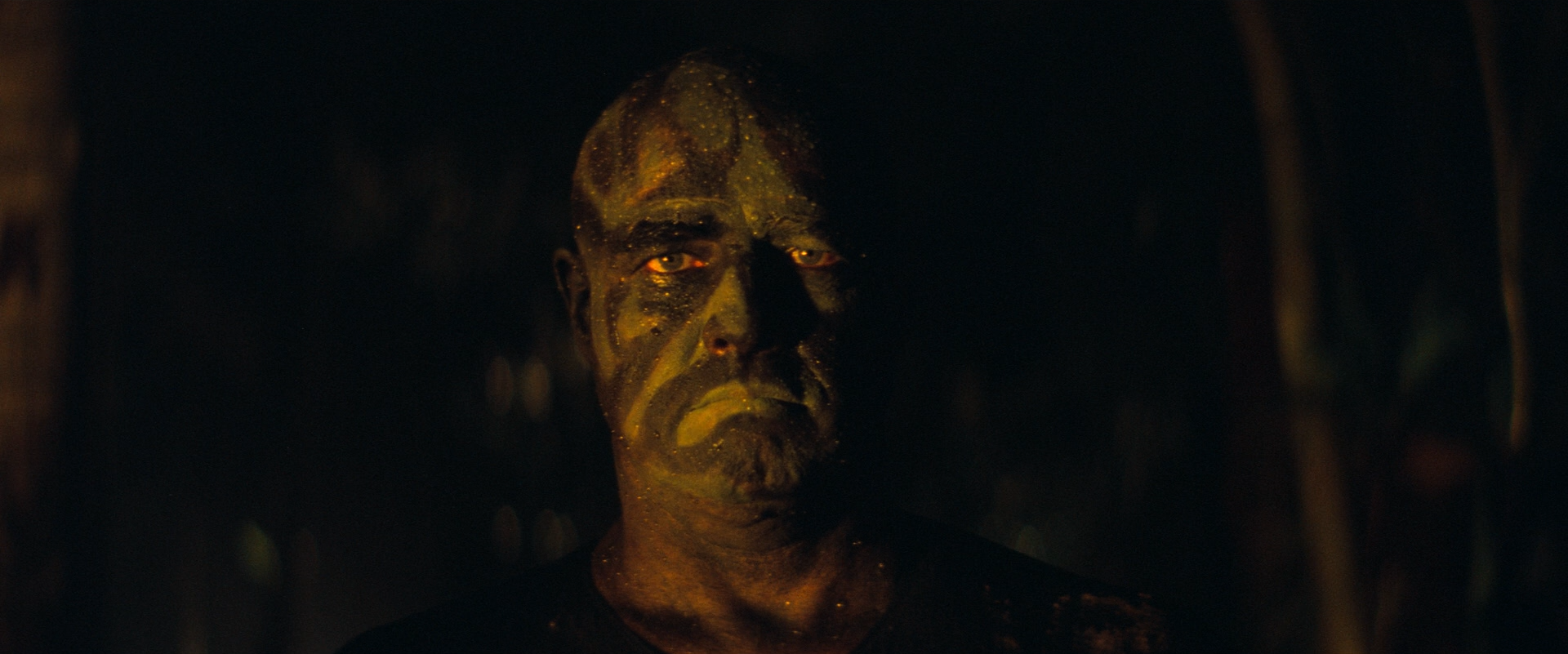
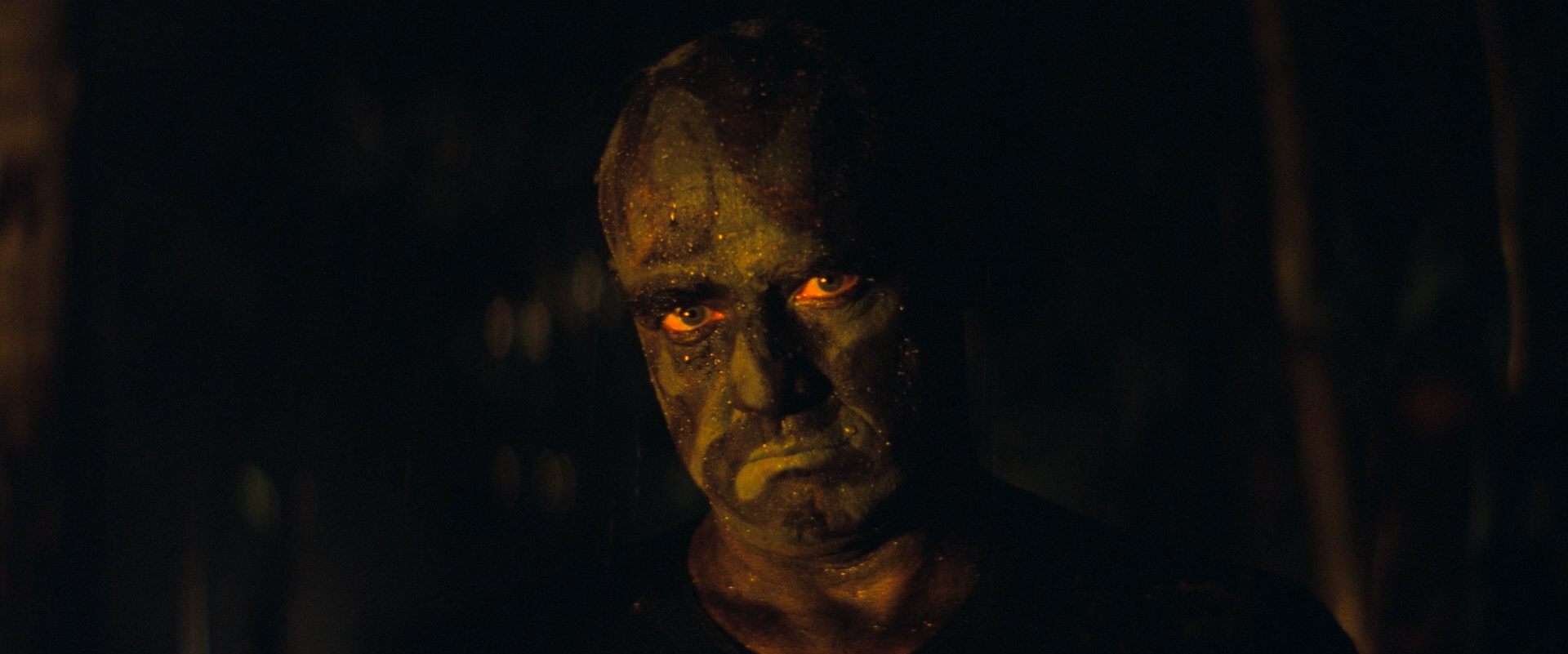
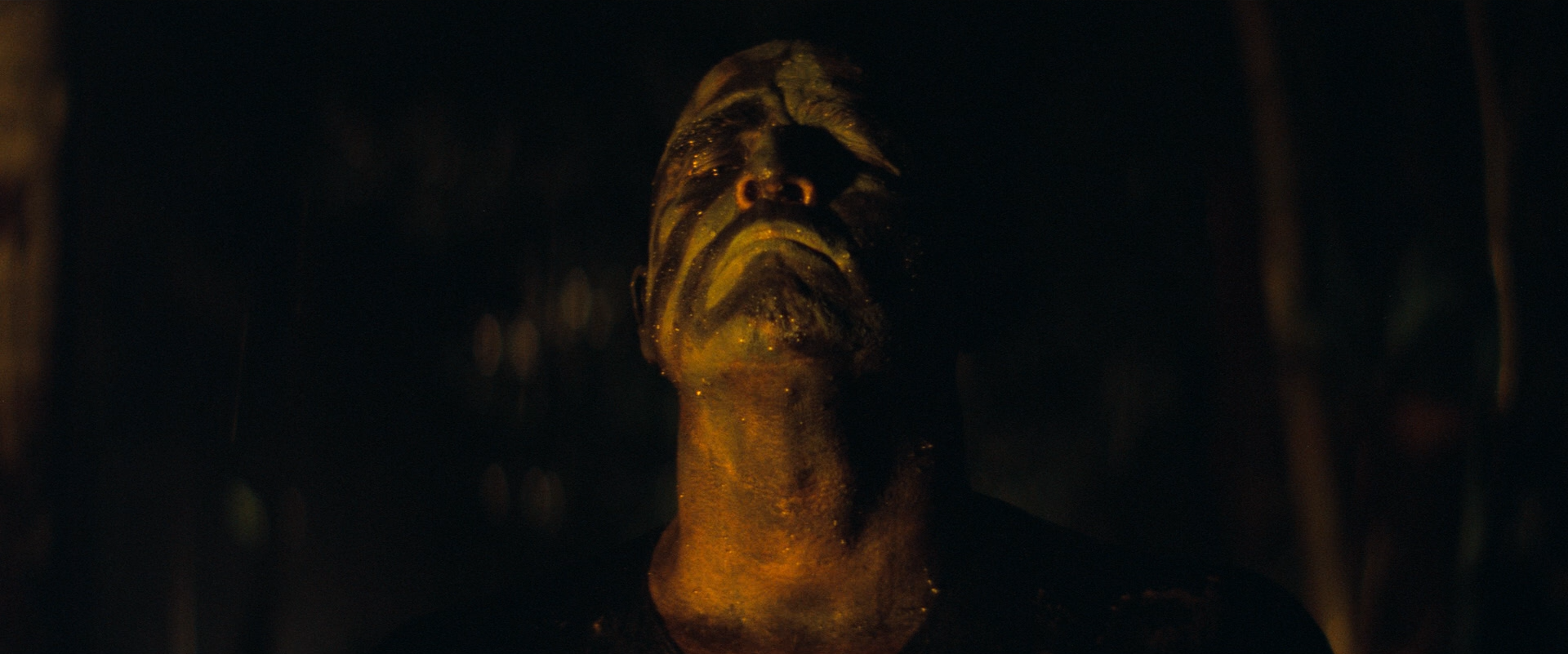
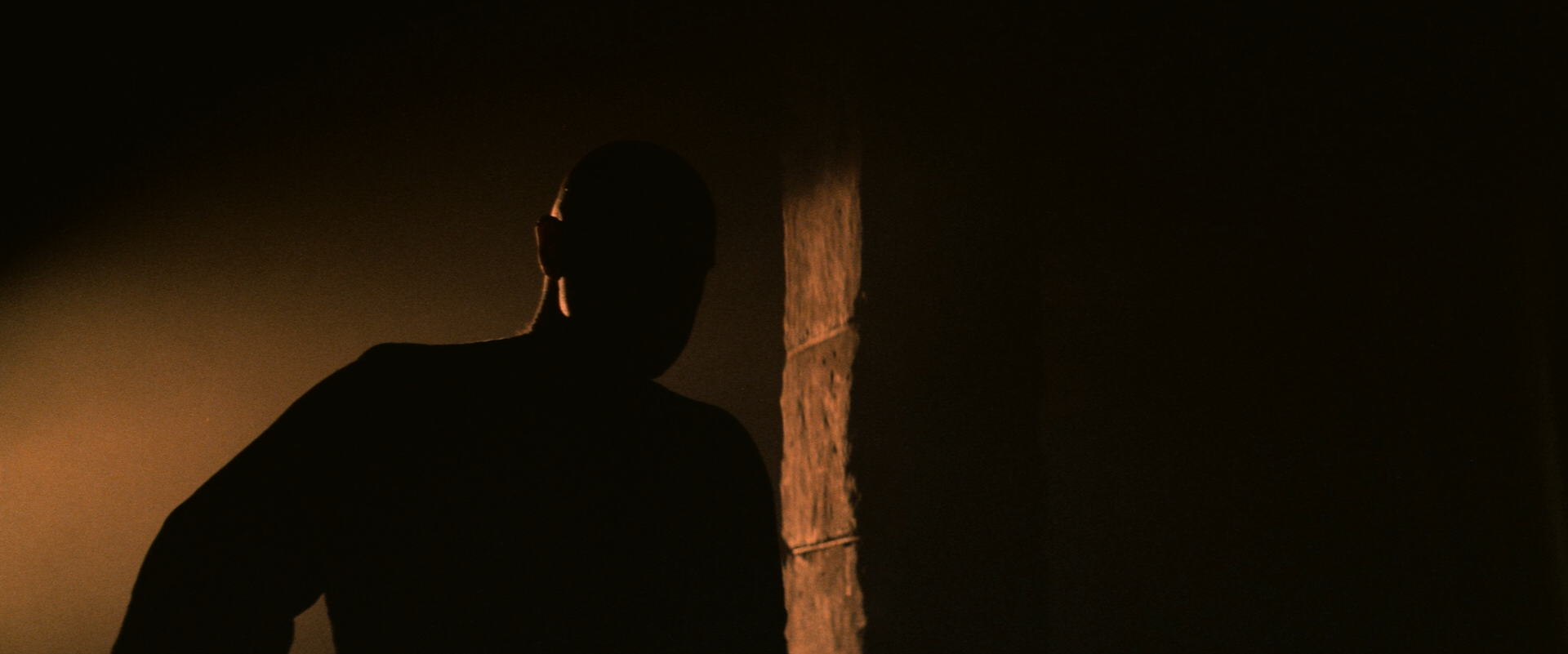
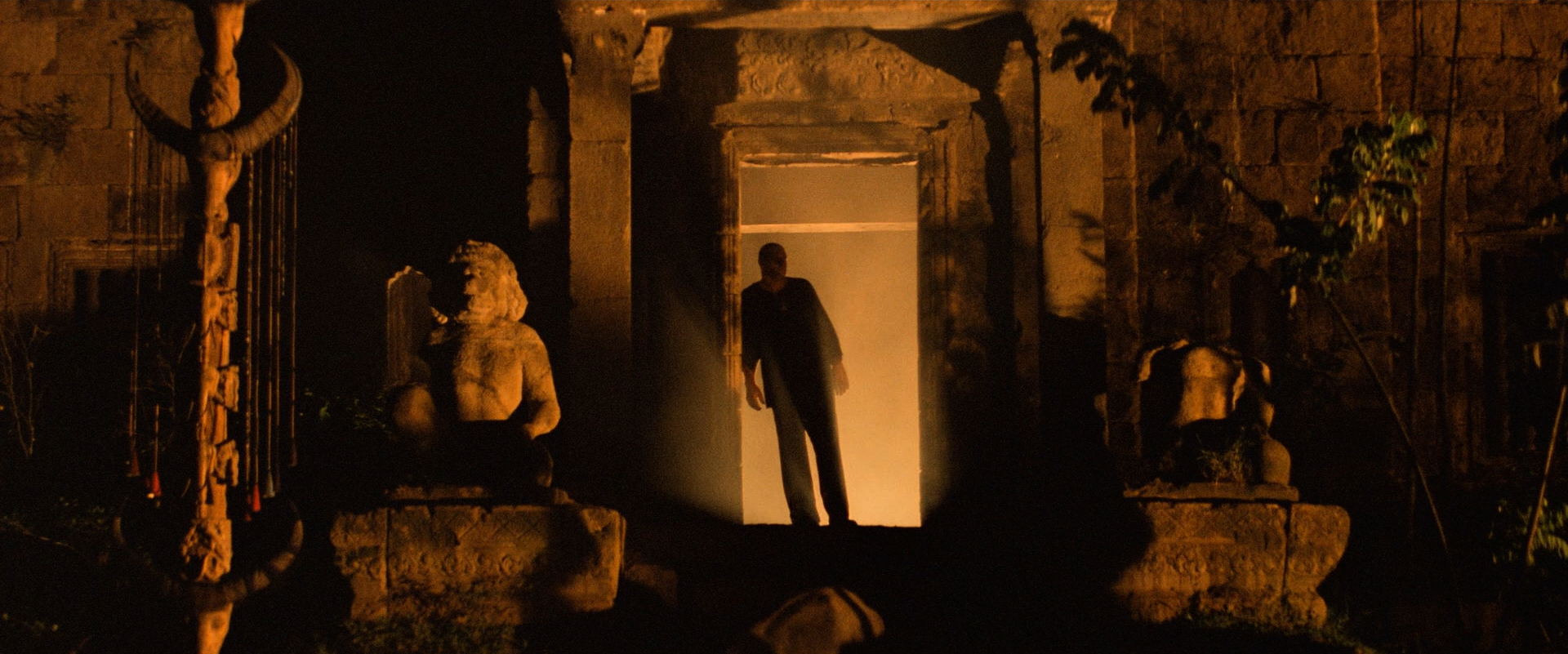
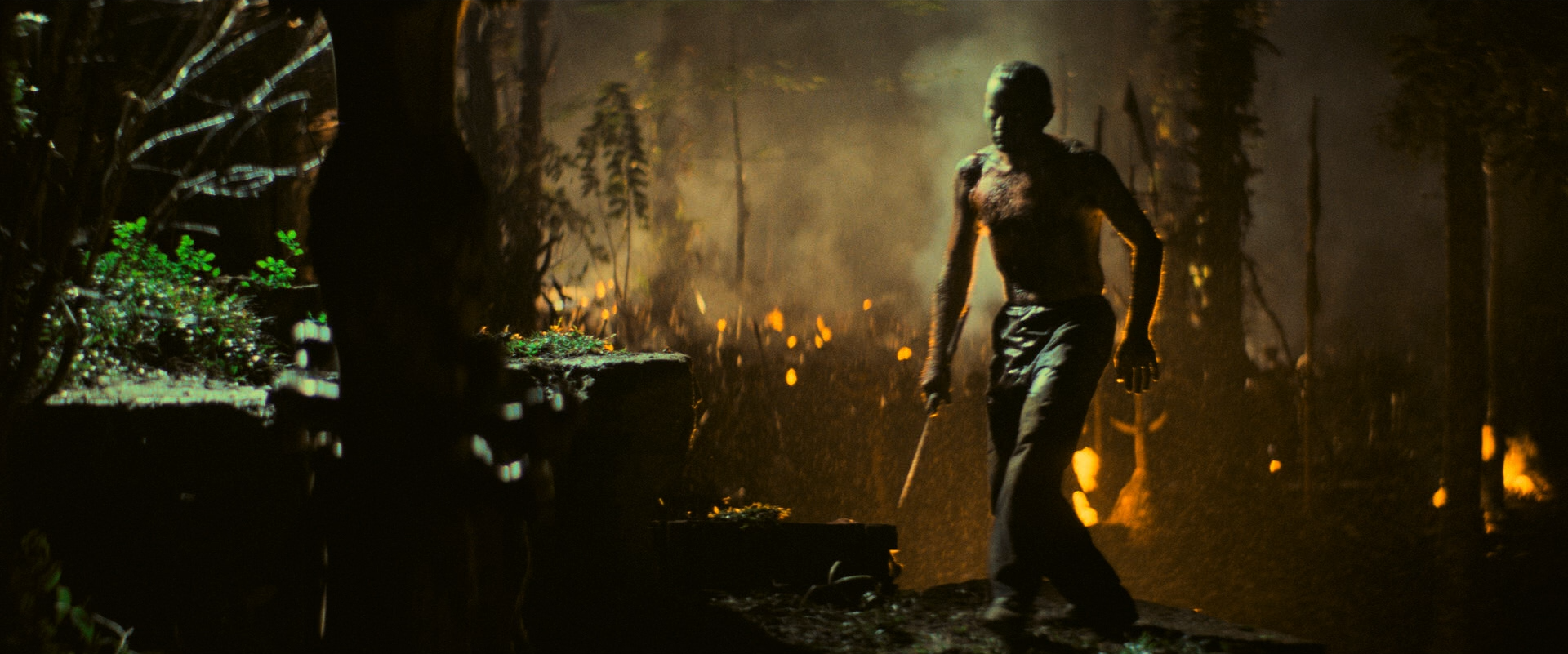
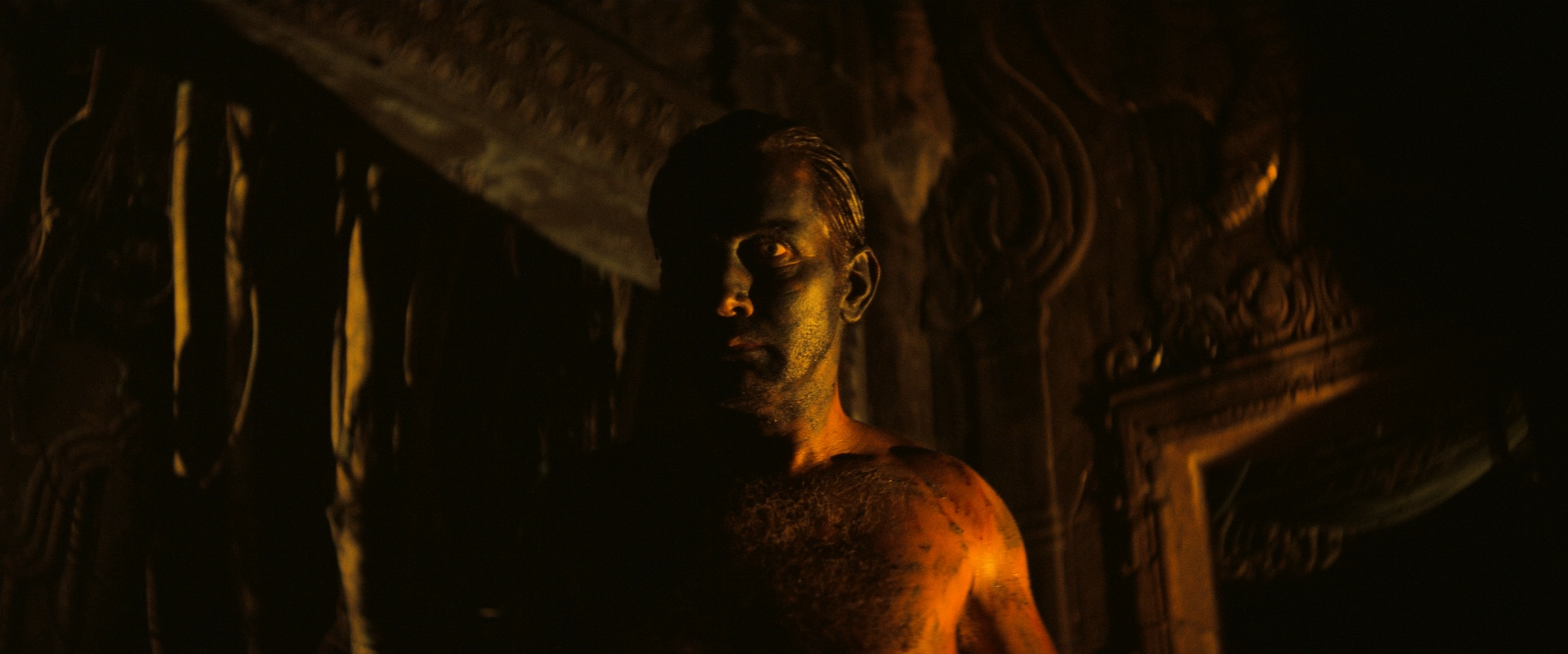
Francis Ford Coppola’s classic 1979 war epic, once renovated already in 2001’s Redux, now sees a second altered version, restored in 4K from the original negative, 40 years since it first came out – Apocalypse Now: Final Cut. And what an extraordinary film it remains. José has endless praise for the genius work of cinematographer Vittorio Storaro – this film defines painting with light – and in the cinema it visually dazzles, iconic, bold imagery in every frame. The scale of Coppola’s production still amazes, particularly in those early scenes with Robert Duvall’s manaical Lieutenant Colonel Kilgore orchestrating helicopters, napalm, infantry, smoke, music and surfers to insane, theatrical effect. And in its long fades between images, superimposing almost abstract compositions over one another, José feels the influence of the avant garde and marvels at what was possible in that era.
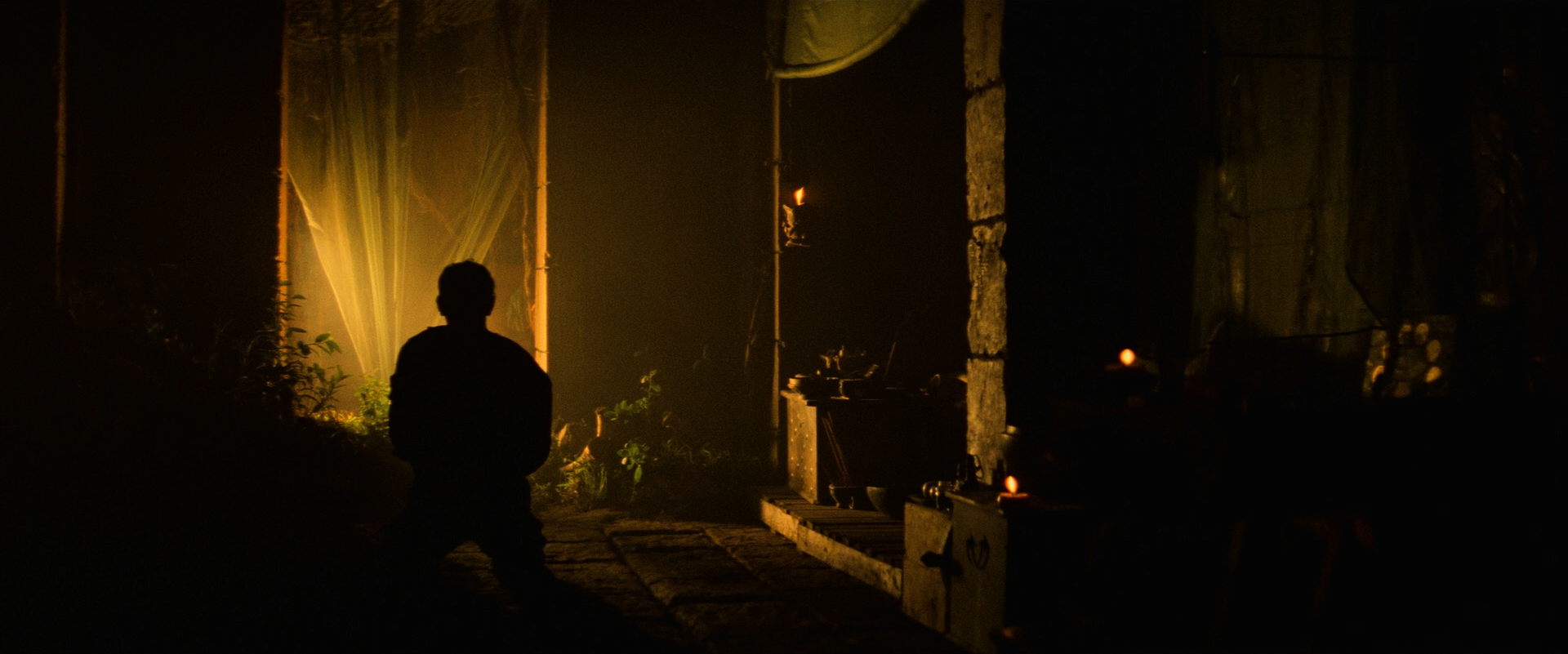
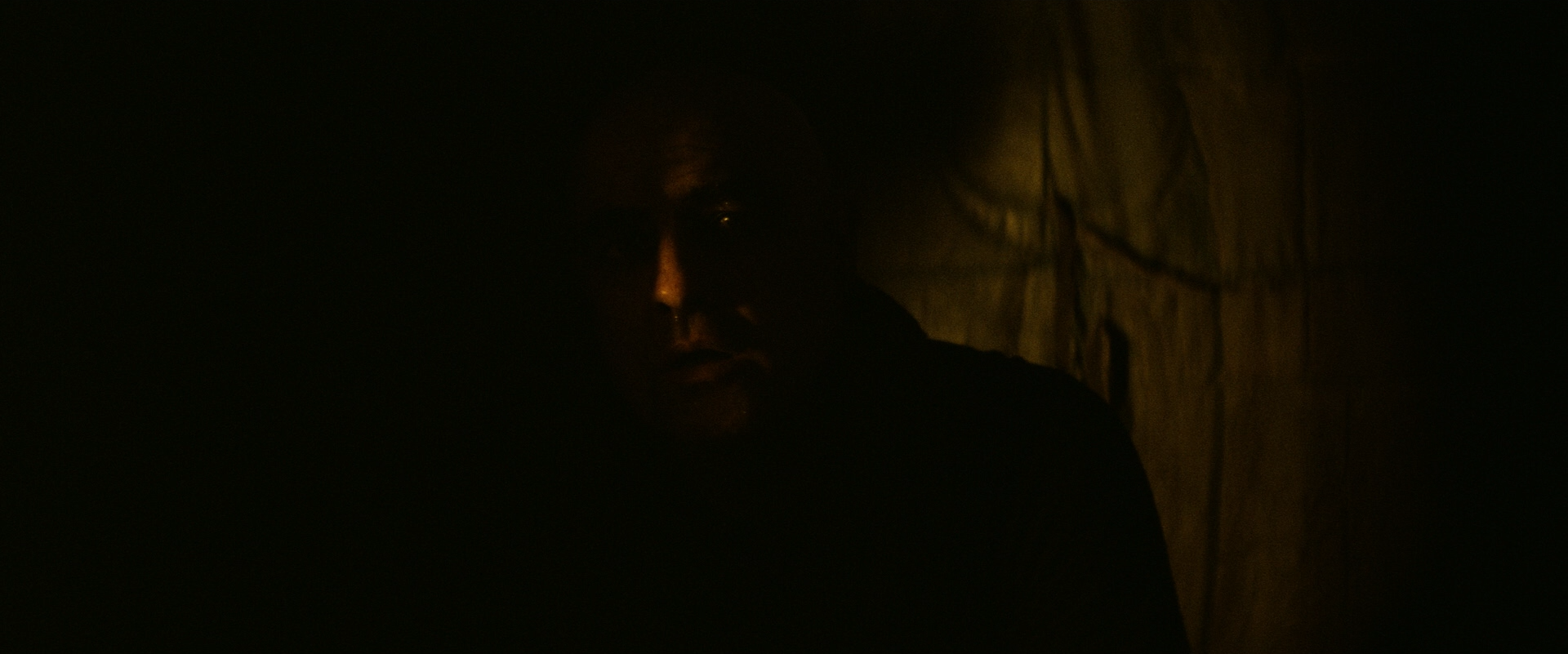
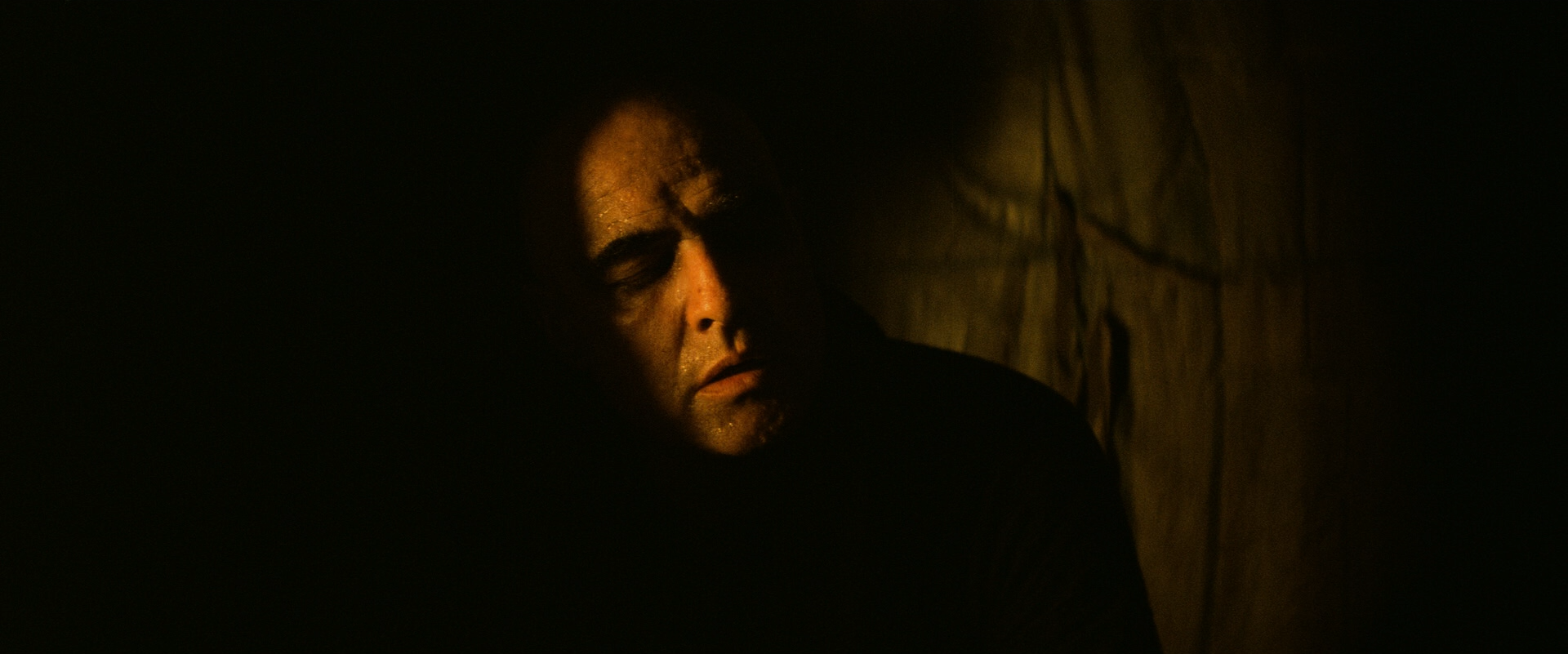
Marlon Brando’s famous role as Kurtz at the end is shorter than José recalls, in part because the French plantation segment, not present in the theatrical cut, shortens it proportionally; in part because the film focuses on him as the target of Willard’s mission from the start, giving him ample time to settle in our minds; but mostly because Kurtz is so iconic, Brando investing him with such gravity and Coppola shooting and editing him with such care and confidence, that he defines our lasting impression of the film. Even when we finally reach him, far along the Nùng river, he still takes as long as he wishes to emerge from the shadows.
Mike finds issue with the film’s depiction of Vietnam, suggesting that in the film’s determination to adhere to Heart of Darkness, the 1899 Joseph Conrad novella on which it is based, it presents an inaccurate and problematic view of Vietnam as uncivilised, its people savages – but is quick to accept that such inaccuracies are far from unique to Apocalypse Now, and José argues that the USA found it impossible to deal with its loss in Vietnam. Mike also queries Willard’s motivations, asking what drives him and what his aim is, suggesting that alongside the psychological damage it wreaks, the film depicts an attractive aspect to war, a desire for it.
There’s no question that Apocalypse Now is a masterpiece of cinema. On the small screen one can appreciate its beauty and madness – on the cinema screen, one feels it. If and when it comes around, you cannot miss it.
The podcast can be listened to in the players above or on iTunes.
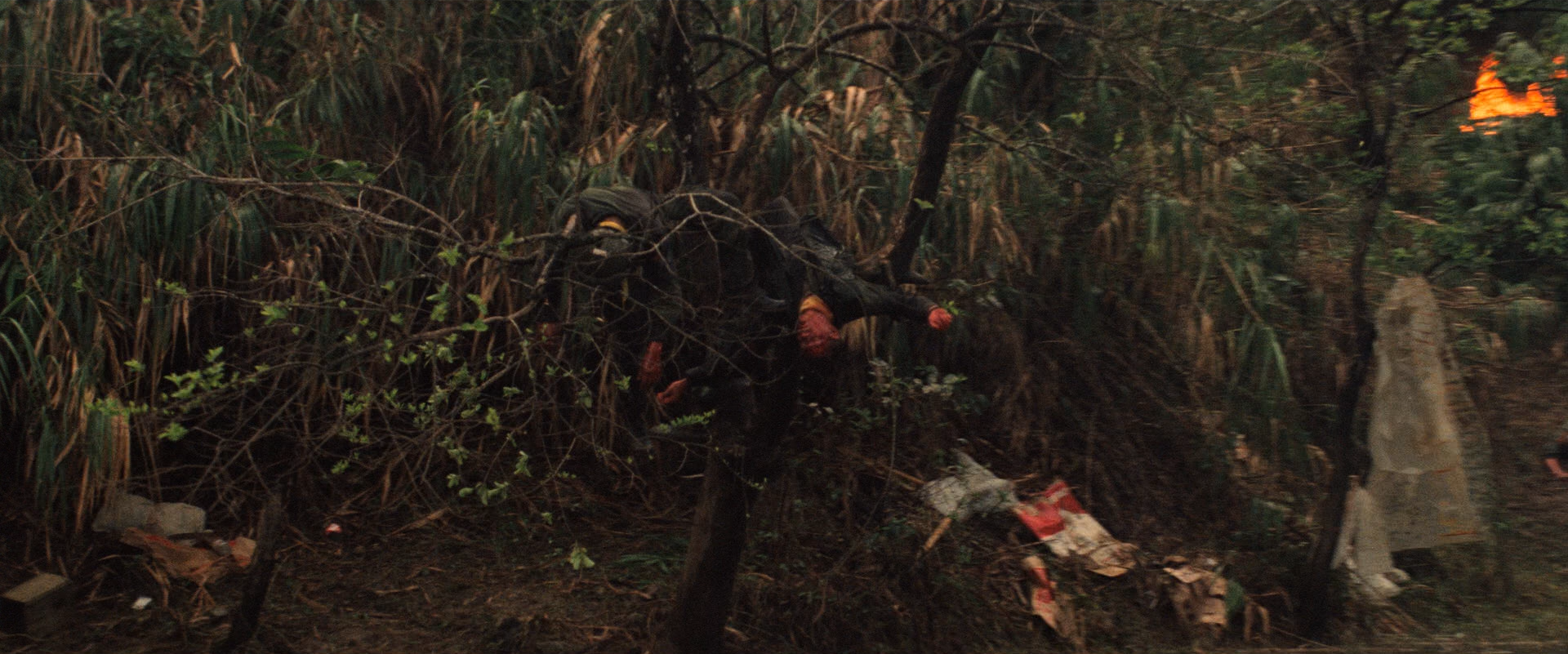
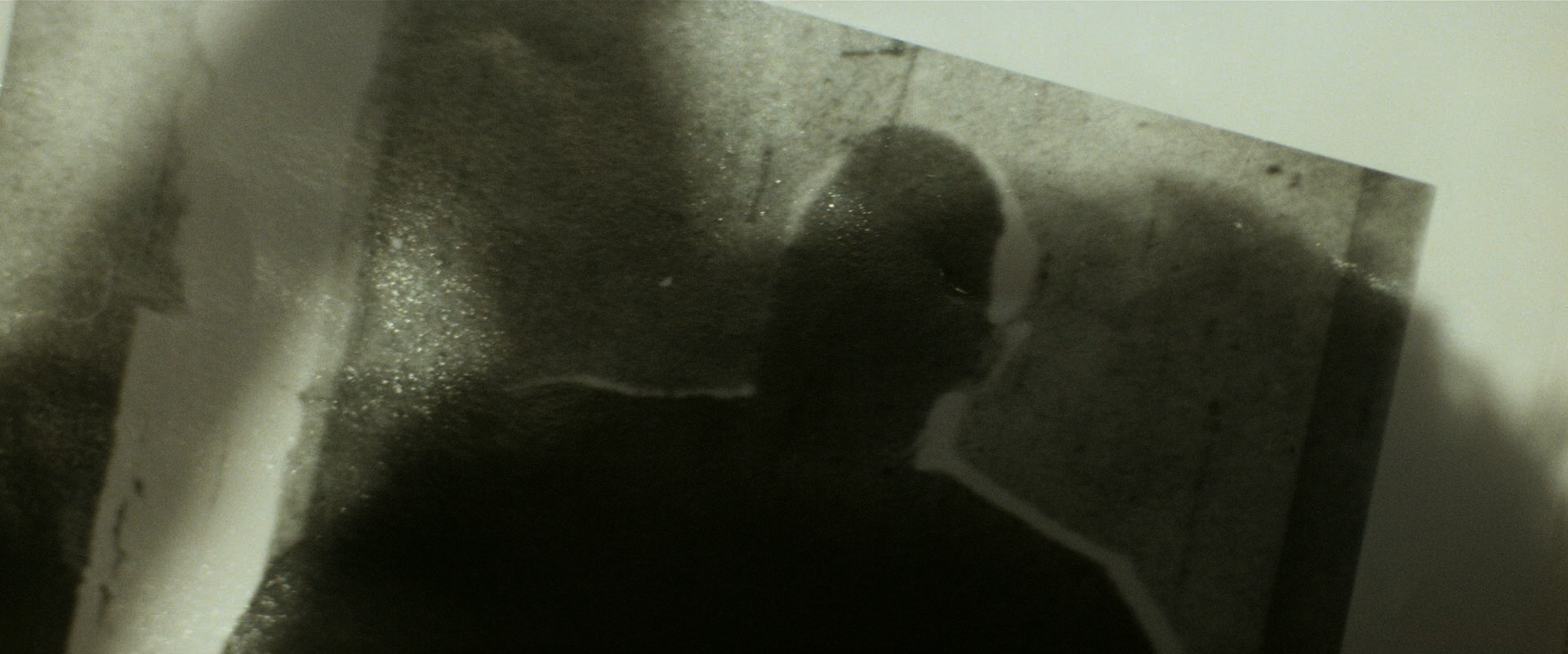
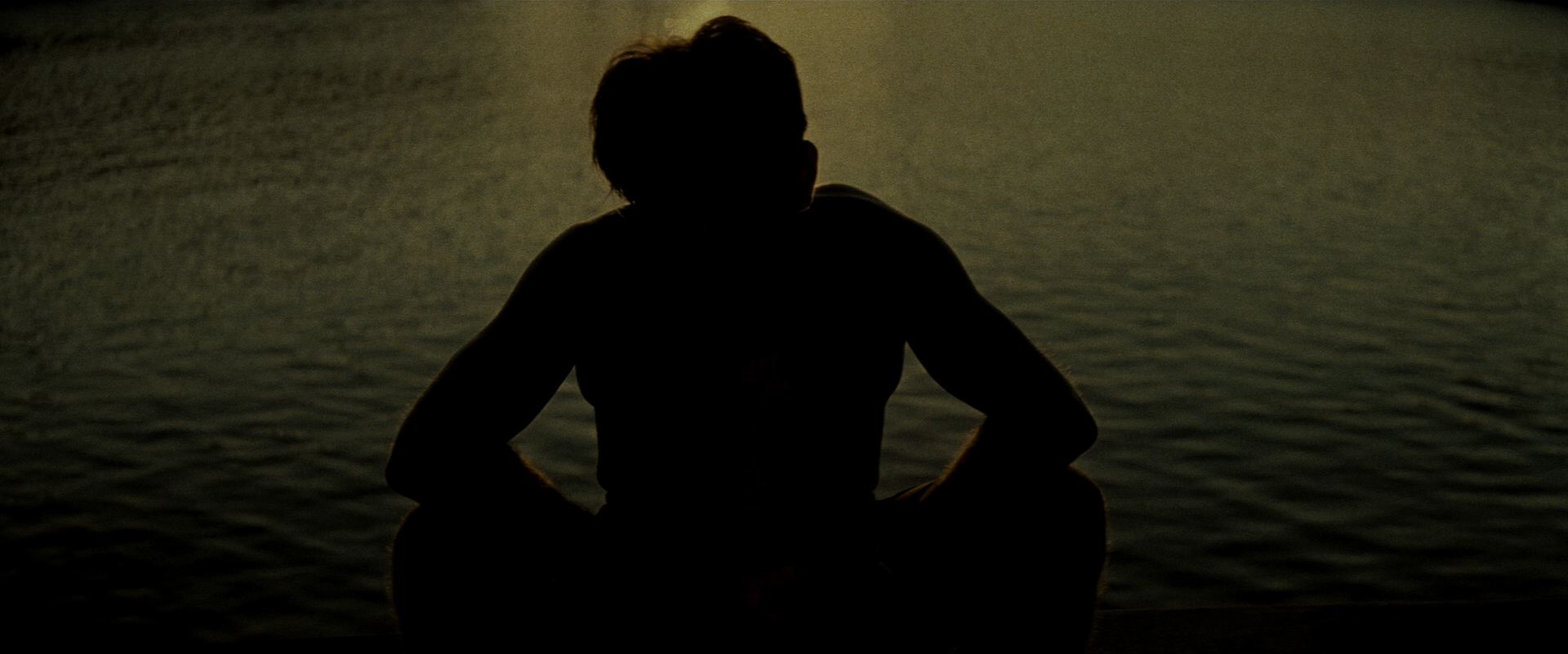
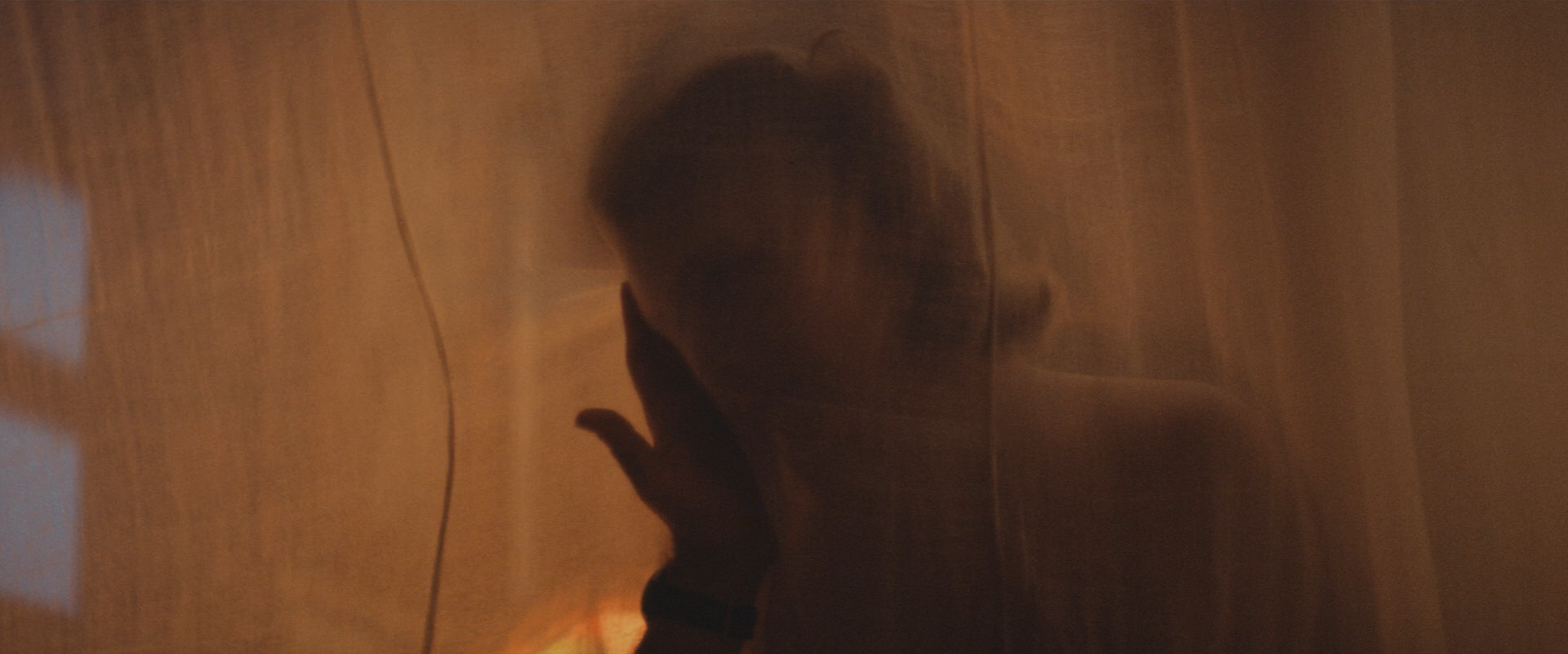
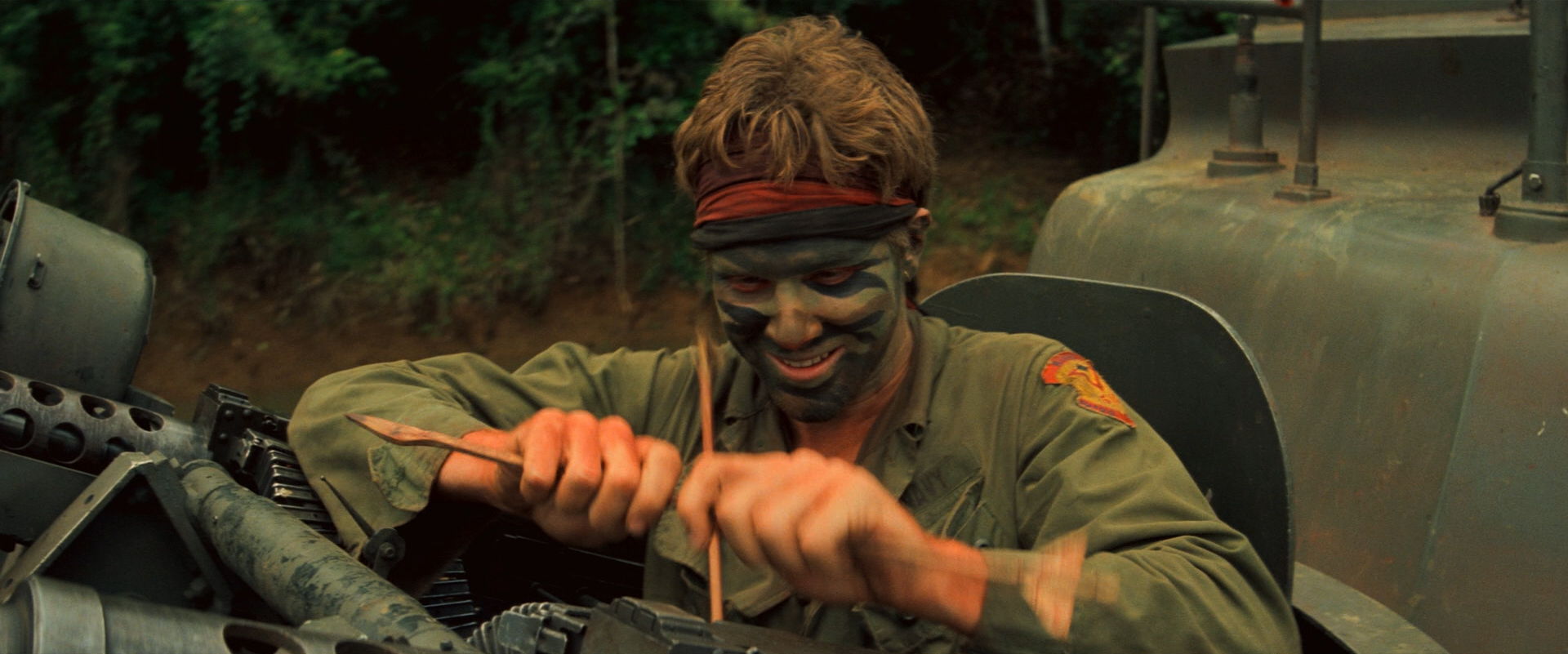
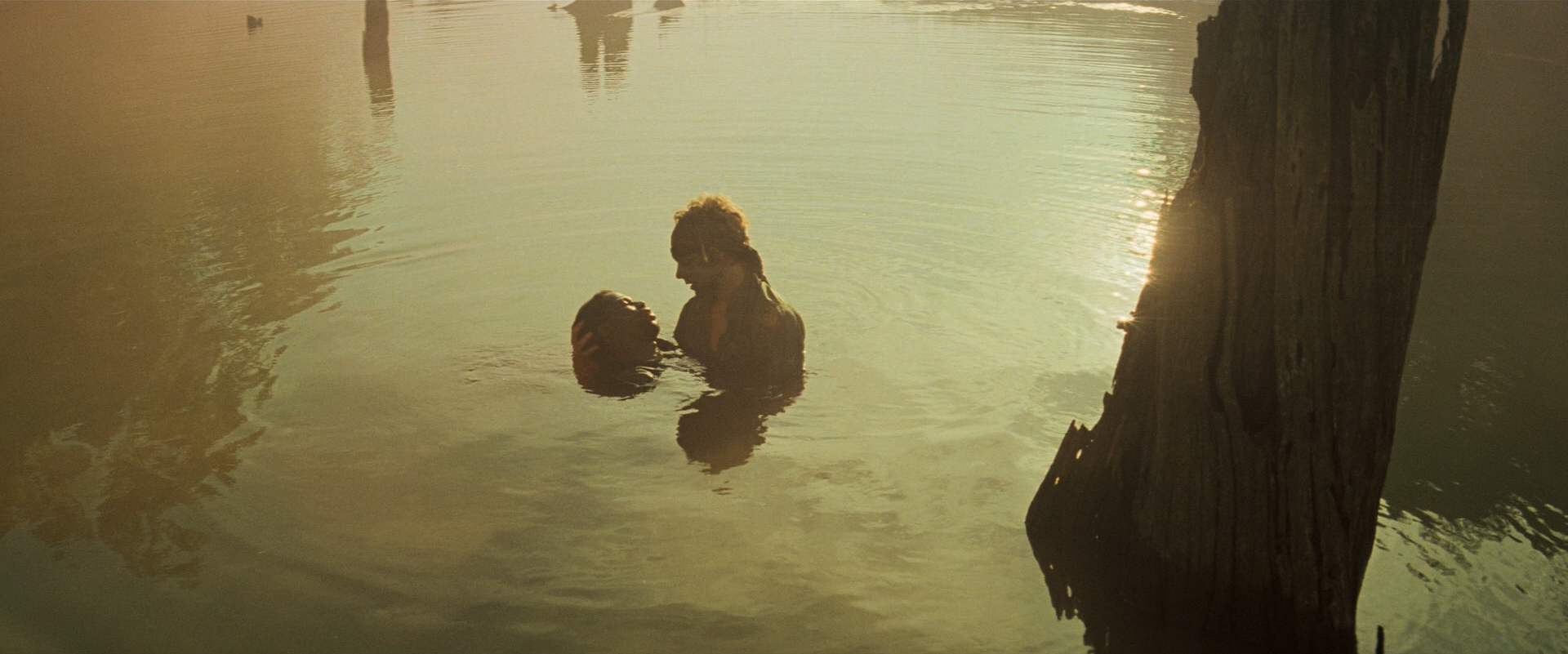
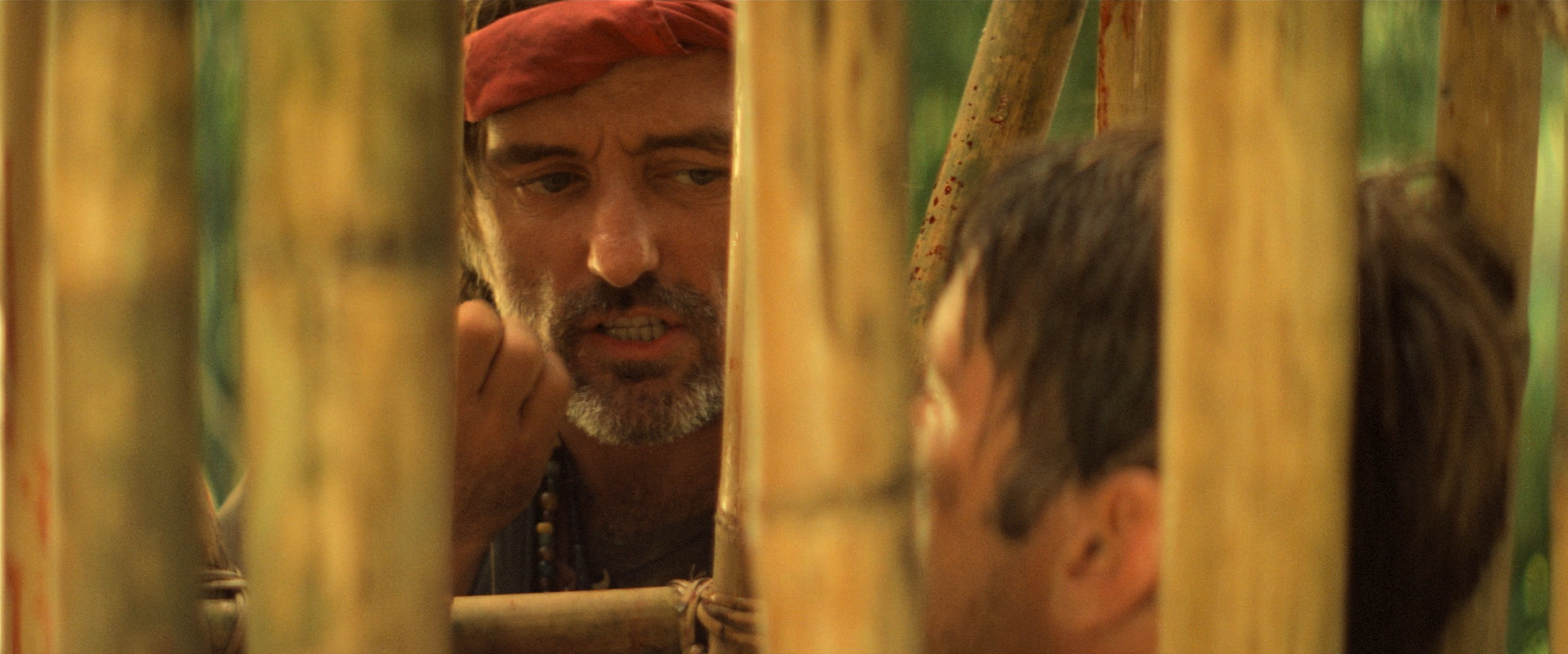
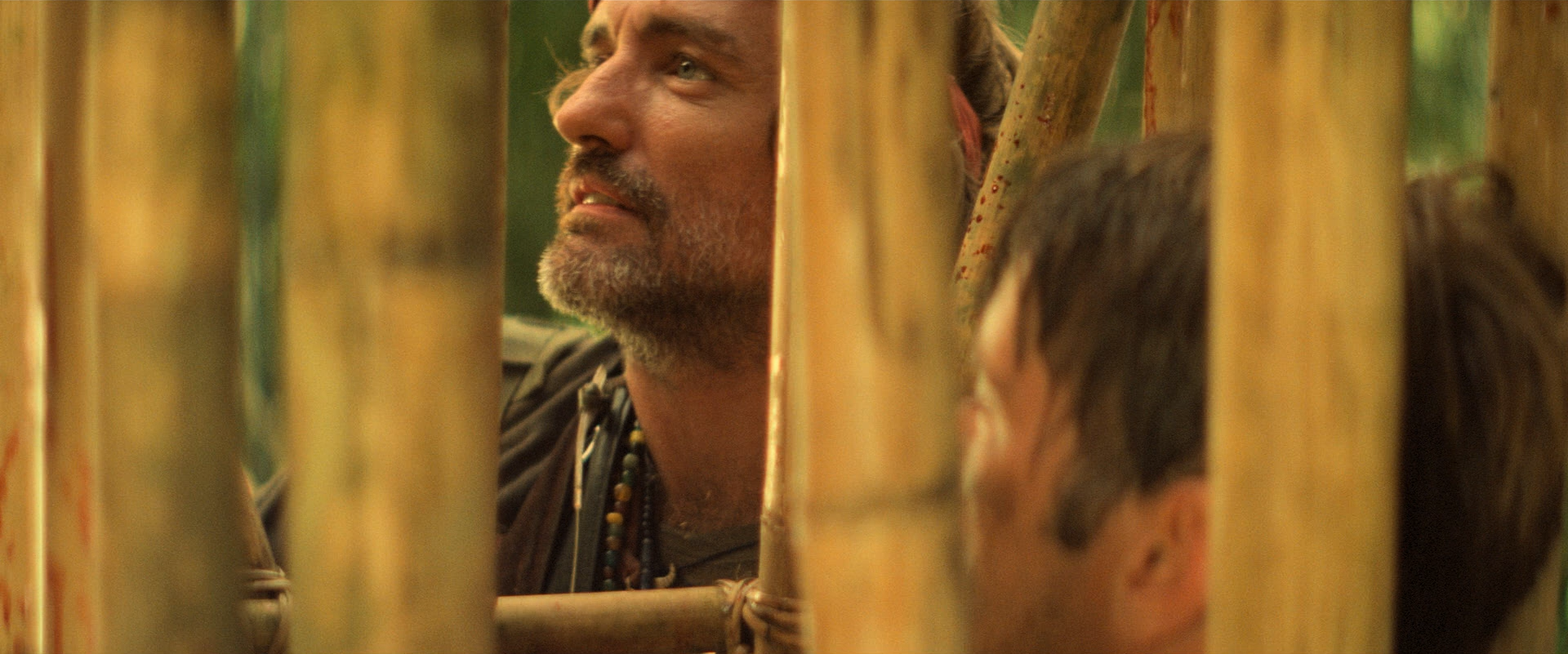
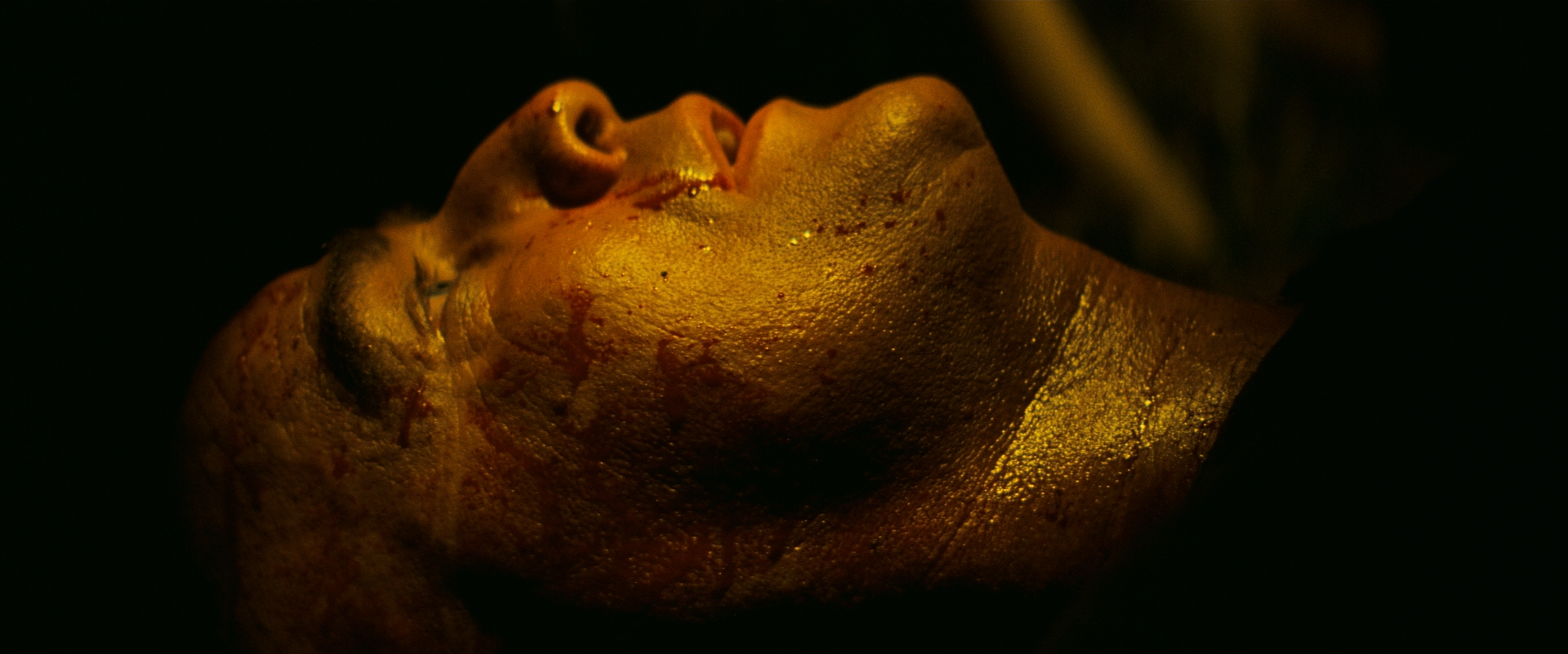
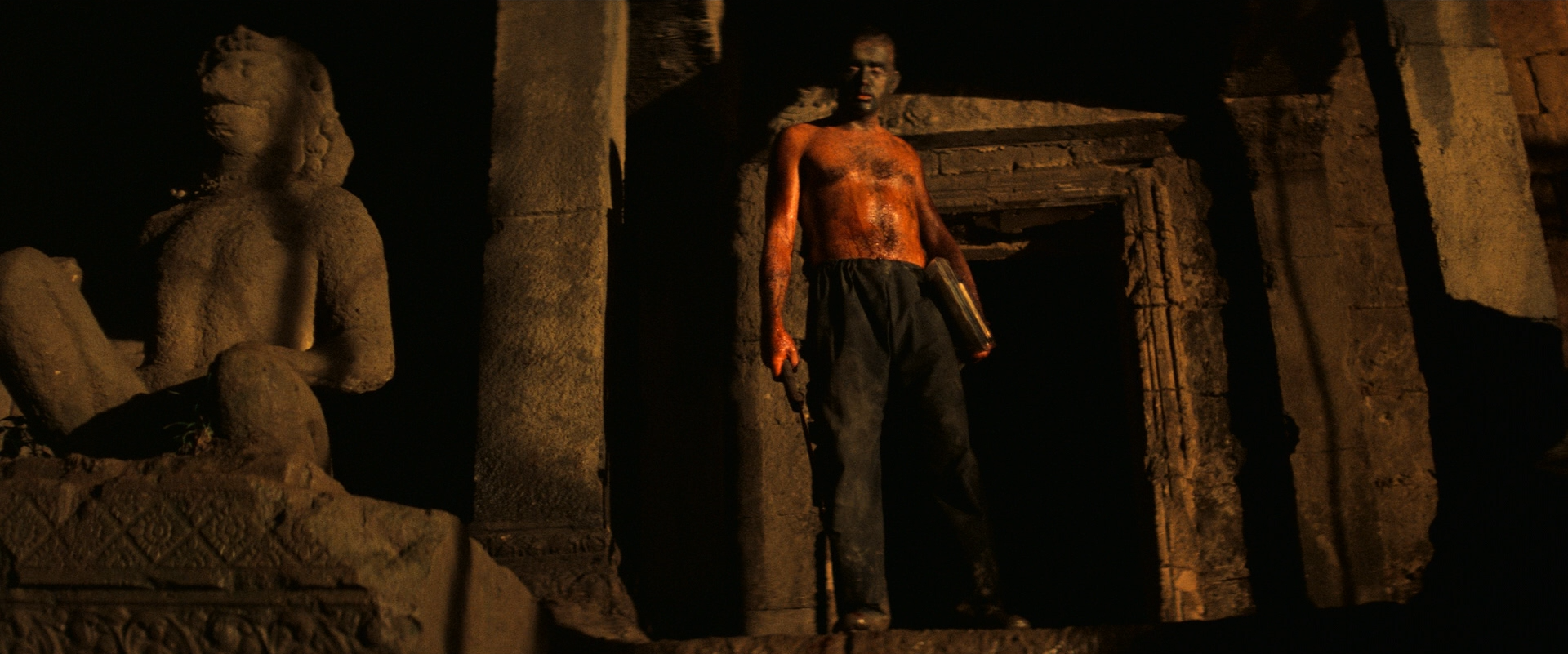
See below for about a billion screenshots Mike took this morning in his own manic episode. Some relate to things we discuss in the podcast, others are chosen for… any other reason you’d care to mention. They’re just incredible images.
A film that jogs memories for Mike, as in the process of revisiting Fight Club he realises what an impact it had on him as a teenager. David Fincher’s outrageously stylish and visceral story of a generation of dispossessed men finding purpose in violence has only increased in relevance in the twenty years since its release, drawing comparisons to incels and school shooters, but it also leads Mike to recall how it affected his interests and attitudes in his youth. José, who saw it on its release, was on the positive side of its mixed response and recalls trying to convince his friends of its greatness – and is proud to have been proven right in the years since, in which it rapidly became perhaps the defining cult hit.
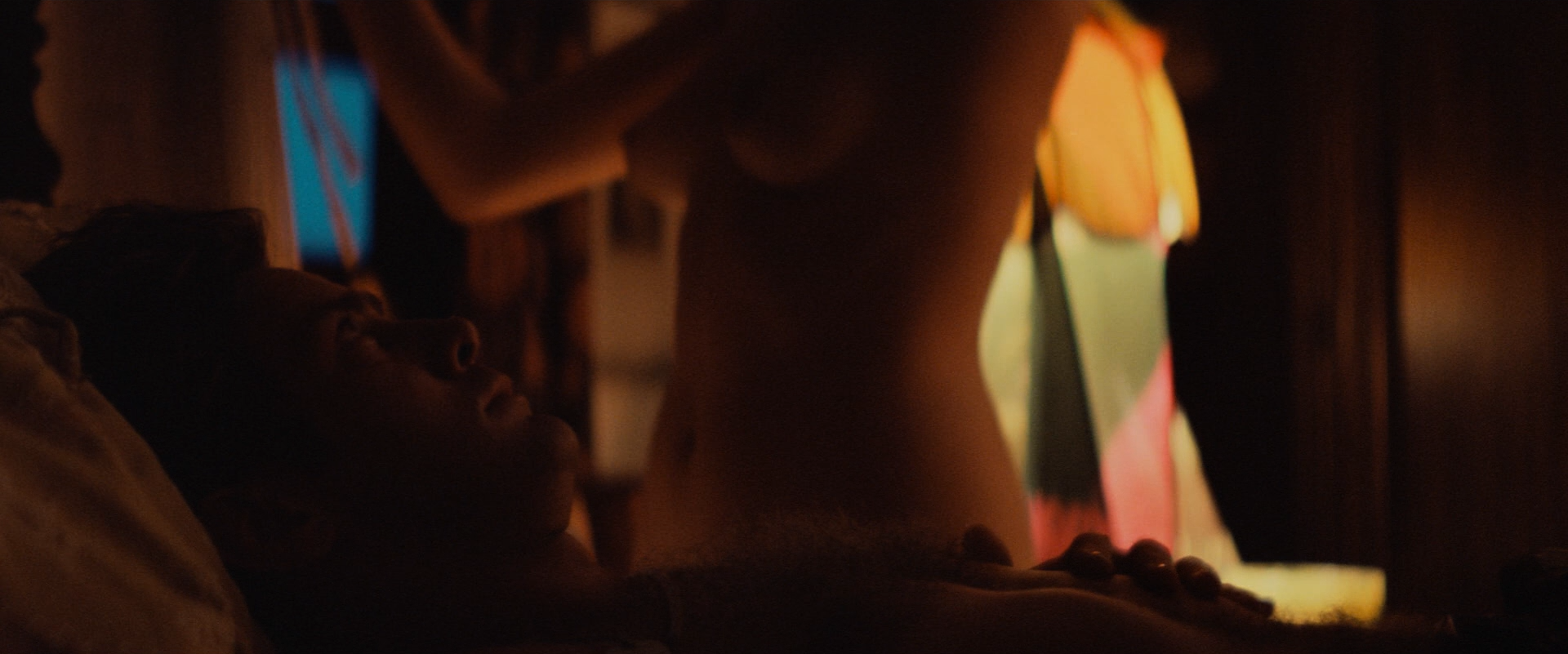
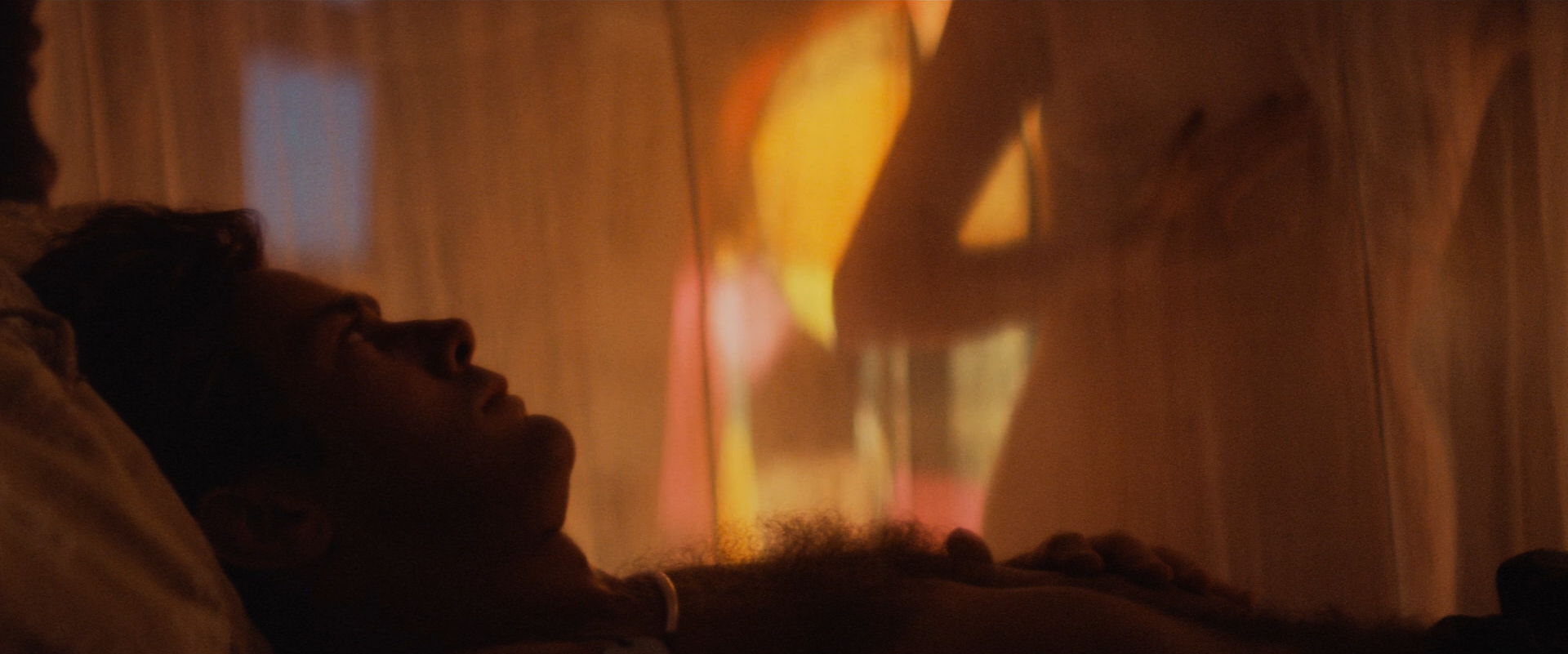
Mike is surprised to discover a sexual dimension to it that he hadn’t quite realised was there – obviously, Tyler and Marla’s ceiling-shaking lovemaking sessions hadn’t escaped his attention, but it wasn’t until this screening that he saw Marla as desirable and human, rather than simply present and symbolic. She’s weary but hopeful, fiery and alive but constantly flirting with death, and with the benefit of knowing the film’s infamous twist, deeply sympathetic. Mike argues, too, for a strain of homoeroticism in the fighting and particularly in Brad Pitt’s appearance – more than powerful and intimidating, he’s attractive, the narrator’s ideal self (though we don’t, as José points out, see him topless and sweaty nearly as often as we might remember).
It’s not without its problems. The question of exactly what it says, and indeed how deliberately it says it, is dependant perhaps on the viewer’s mood and cultural context as much as anything. Fight Club wants to be thought of as a satire, that’s clear, but of what – and is it as much of a satire as it thinks it is? Mike suggests that much of what drives this problematic area of debate is the effectiveness with which the film brings us into the narrator’s mental state, conveying beautifully his attitudes, desires, repressions, regardless of whether we might think of them as positive or negative. Were the film more objective, more willing to offer judgement of its characters, these questions would be less troubling but the film would have none of its potency.
We agree that Fight Club is a considerable piece of work – José less enthusiastically, but it would be hard to be as turned on by it as Mike is. To have seen it on the big screen is a treat – every one of its compositions is electrifying, beautiful, considered and inventive – and the themes it explores have only grown in relevance since 1999. If it comes round, don’t hesitate to buy front row tickets. If it doesn’t, dig out the DVD, which you definitely own, and watch it again.
The podcast can be listened to in the players above or on iTunes.
The film that introduced Marlene Dietrich to America, Josef von Sternberg’s The Blue Angel tells the tragic story of a man who gives up everything for love. Emil Jannings is delightfully pompous and uptight as Professor Rath, a schoolteacher charmingly disarmed by Dietrich’s seductive cabaret star Lola Lola. The two marry, but unable to change and consumed by jealousy, Rath loses his status, dignity and the woman he loves.
Dietrich is captivating as Lola, wearing a seemingly permanent smirk of knowingness – much of the film’s action takes place backstage, an environment she controls effortlessly, in which the fewer items of clothing she wears the more uncomfortable Rath grows. José notes a moment in which she ungraciously adjusts her underwear, and who cares who’s watching – Mike remarks upon her legs, which at times are posed and filmed to take on a character all of their own. José considers the greatness of Dietrich’s collaborations with von Sternberg, of which this was the first, and in particular the way he composes layered, complex imagery here.
We discuss the film’s characterisation and morality – it’s a tragedy, and to some extent its cabaret world is responsible for Rath’s decline, but because of his inability to understand and adapt to his new life, rather than an inherent immorality to the setting. Lola, too, isn’t simply some succubus; she may find Rath socially useful to marry, given his status as a professor, but moreover her affection for him is apparent. And we consider the film’s two-part structure, how it mirrors itself through its two memorable tracking shots in the classroom, the clown character into whom Rath is transformed, and Rath’s rooster-like crowing on his wedding day taking on a different significance at the film’s climax.
The Blue Angel is ninety years old and remains as tragic and sexy as ever. Don’t miss it if it’s showing near you.
The podcast can be listened to in the players above or on iTunes.
We love Lulu Wang’s comedy-drama The Farewell, about a Chinese family that knows their grandmother, Nai Nai, has cancer, but keeps it a secret from her. Awkwafina brings humour and sensitivity to the American-raised granddaughter who argues that her family is in the wrong, and although the film opens up questions of cultural differences, it’s remarkably even-handed, refusing to judge or criticise any opinion. Zhao Shuzhen, playing Nai Nai, is delightfully warm and snappy, and shares wonderful chemistry with Awkwafina.
The Farewell is a gentle film that tells an engrossing story, and it’s simply a pleasure to be in its world.
The podcast can be listened to in the players above or on iTunes.















































 Eavesdropping at the Movies