Ai Weiwei brings displaced peoples from across the world together in his documentary on the global refugee crisis. We discuss their plight, the film’s use of poetry, Weiwei’s imagery, and the countless ways in which he humanises people who are insulted, ignored, used as bargaining chips, and condemned to lives of confinement with no end in sight.
The podcast can be listened to in the player above or at this link.
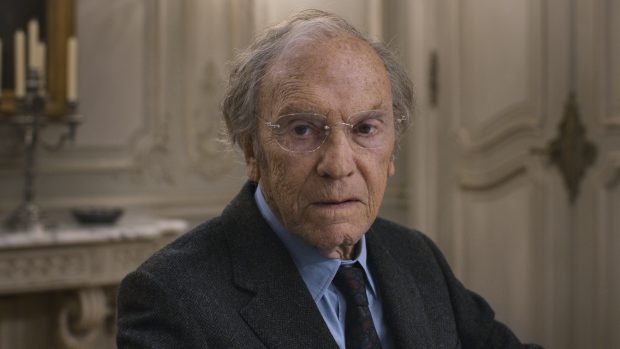
Michael Haneke’s precise, layered Happy End takes on – what else? – the bourgeoisie, and sees Eavesdropping welcome 2018 and iTunes availability at last! Opening with praise for the extraordinary image quality provided by the mac’s 4K projector, we consider the film’s surprising comic sensibility, its observation of different social strata, how our expectations shaped our experiences of what we saw (or didn’t see), Haneke’s careful craft and subtle subversions of cinematic conventions, and his continued exploration of violence as a central theme.
And, finally, in a revelation to rival Psycho and The Sixth Sense, we nervously admit that we enjoyed the film as one might enjoy a Hollywood comedy or a trip to the zoo. Even now it’s tough to come to terms with that. Perhaps that is Haneke’s greatest achievement and truest subversion. We never before knew that he wanted us to have a good time.
The podcast can be listened to in the player above or at this link.
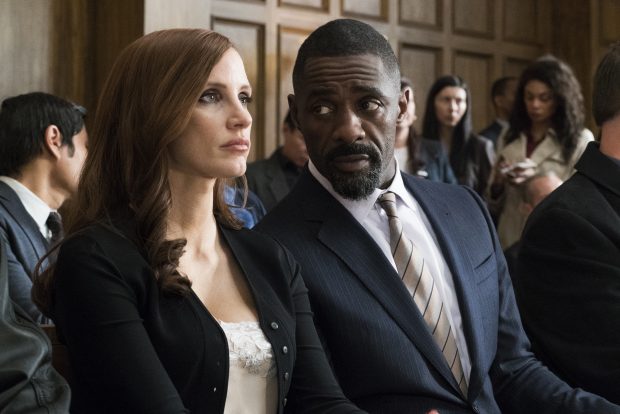
Eavesdropping celebrates the New Year with a snappy, sharp crime flick about the world of underground, high-stakes poker. We discuss the material’s weakness, our different takes on Molly’s character, the film’s descent into schmaltz, daddy issues, Sorkin’s directorial mediocrity, the audience’s response to his dialogue, and the way Star Wars is dominating every bloody screen in every bloody cinema. At the end José makes Mike choke on his own laughter.
The podcast can be listened to in the player above or at this link.
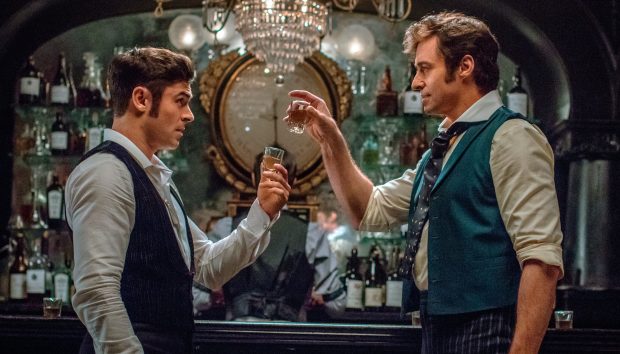
José likes Zac Efron for once, but little else. Mike is an ITV snob and just wants the film to be more Communist. Listen in to find out how The Greatest Showman rounded out our 2017.
The podcast can be listened to in the player above or at this link.
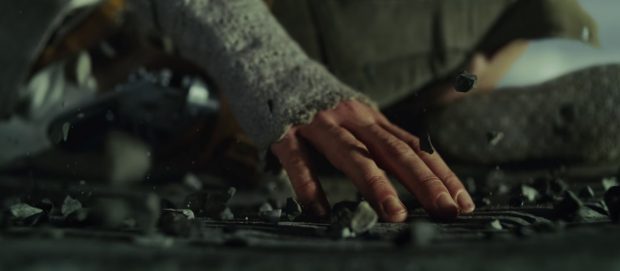
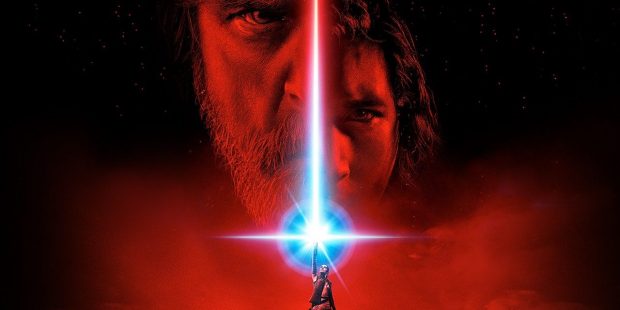
Mike and José return to a galaxy far, far away, in search of new perspectives and thoughts on The Last Jedi. Mike in particular has been itching to talk more about it since he feels he was unfairly lukewarm the first time. We ruminate on what makes Star Wars feel different to other sci-fi; how films feel tighter and shorter on second viewing; Han’s dice; confusion on the resistance cruiser; why we still disagree about Mark Hamill’s performance; whether a Jedi can survive in space; and the differences between the First Order and the Empire, and Hux’s construction as a figure of fun.
And in a shocking climax, José claims that Mike doesn’t know anything about love.
The podcast can be listened to in the player above or at this link.
It’s beautiful to look at. It’s populated with rich characters. Adam Driver is filmed as a Byronic hero, desperately romantic and at his sexiest. Matt Moore joins us for this discussion and points to how the film focuses on female characters and interestingly alters the focus of the series. We discuss how the film represents a shift from an aristocratic focus on blood and destiny to a more democratic purview on social change everyone, of whatever race or ethnicity, can engage in. Mike came out of the film gleefully playing with a lightsaber only to sit down and slash through what he saw as the film’s weaker points, though he points out how Rian Johnson is the right director for the film and how, in spite of its faults, it truly does feel like a Star Wars film.
The podcast can be listened to in the player above or at this link.
Our patient, deliberate conversation closely mirrors the feeling of The Red Turtle, Studio Ghibli’s wordless, Oscar-nominated fable. We consider aesthetics, allegory, gender representation and subversion of genre amongst other issues this strange, delicate film raises. Also discussed are the experiences of cinema screenings and home viewing, and José finds time to get in another swipe at The Disaster Artist.
The podcast can be listened to in the player above or at this link.
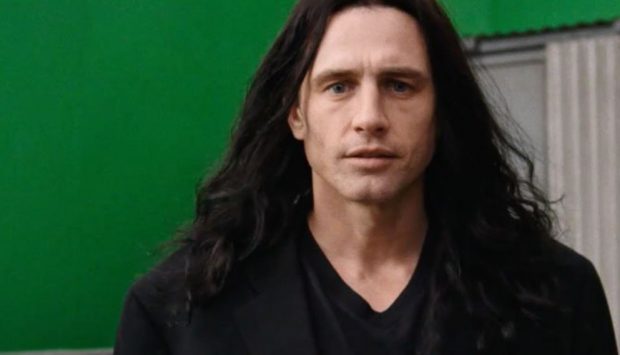
Cinema’s biggest in-joke is dramatised in James Franco’s fan project about the worst film ever made. We discuss the mean-spirited nature of finding films so bad they’re good, the lack of direction in The Disaster Artist, the quality of Franco’s central performance, and why we find the film so self-indulgent.
The podcast can be listened to in the player above or at this link.
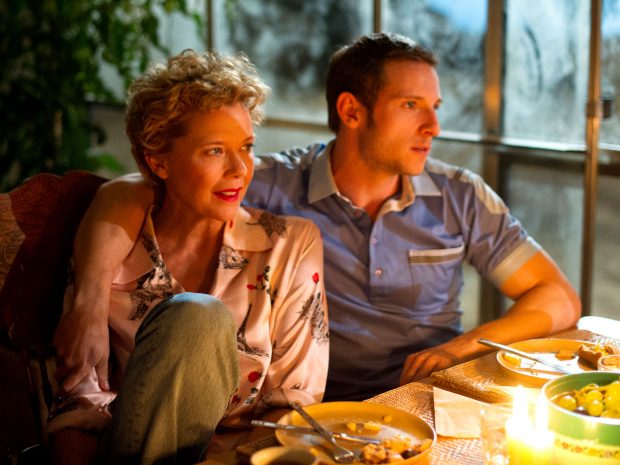
We begin with an embarrassing admission from Mike and some reminiscences of stars past from José before discussing Film Stars Don’t Die in Liverpool, a biopic of Gloria Grahame’s relationship with a younger man, which features two towering performances and not very much else. For once, Mike doesn’t believe it’s his terrible cruelty that prevents him from crying in a film – but what, then, is it?
Also – thoughts on The Electric in Birmingham, the UK’s oldest working cinema. Why don’t we discuss it more? It’s independent, it’s notable, it should be an art house. We finally get around to it.
The podcast can be listened to in the player above or at this link.
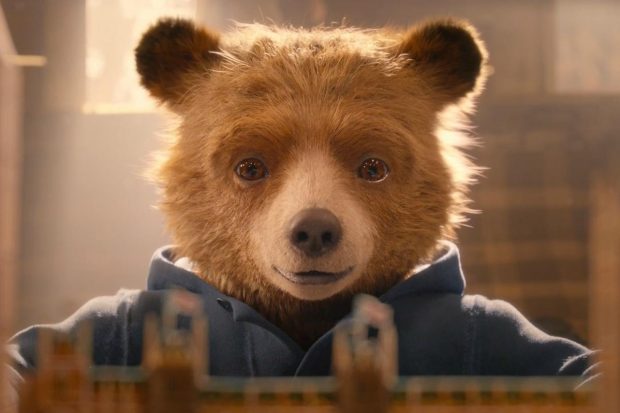
Paddington returns to cinemas with a whimsical puff of upper middle class smoke from a lovely old warm cosy steam train. How nice. Mike wasn’t really looking forward to this.
So. Did he make it through Paddington 2? What do we make of the vision of Britain it constructs? How does its action outperform Justice League‘s? Is it fair to think of it as just Wes Anderson but somehow even more revoltingly cutesy? Is there anything wrong with outrageous accents? Isn’t Hugh Grant great, honestly?
The podcast can be listened to in the player above or at this link.


 Eavesdropping at the Movies