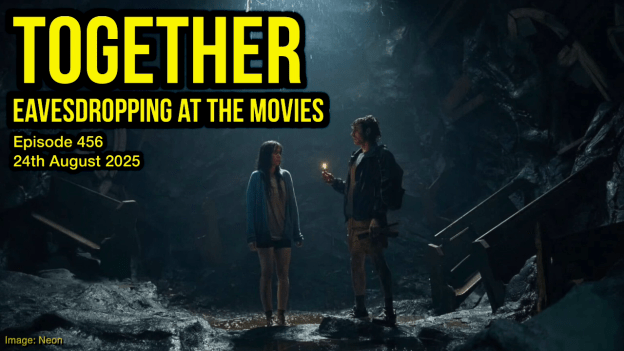
Commitment is scary. It’s especially scary when you drink water from a cursed puddle that wants to make a hybrid of you and your partner. Together tells the story of a couple moving to a new home during a questionable period in their relationship: she has a new job and is responsible for the move away; he’s emotionally distant since the death of his parents and relies on her for transportation and financial security. They love each other, but will they last?
First-time director Michael Shanks demonstrates a good instinct for tone, effectively combining comedy and horror – that Alison Brie and Dave Franco (married in real life) are both experienced comic actors helps the film draw out the absurdity of the events it depicts. What quibbles we might have with details of its supernatural basis are easily ignored because its focus always remains on the central couple. It doesn’t matter that some specific detail might not be explained to our satisfaction: the question is always, how do the couple respond to their predicament? Together never loses sight of what’s most important, and that makes it one of the best horrors – maybe one of the best films full stop – that we’ve seen in a while.
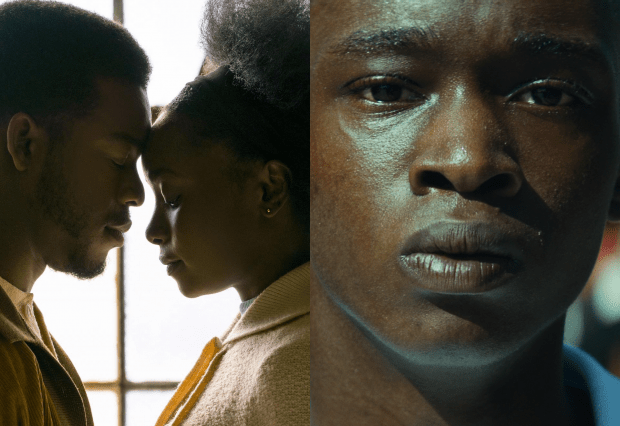
We return to Barry Jenkins’ If Beale Street Could Talk, his sumptuous romantic drama set in 1970s New York, for a deep dive, and take the opportunity to revisit his previous film, 2016’s Best Picture winner Moonlight. It’s an enriching conversation and we’re glad we took the time to engage in it. (The first podcast can be found here.)
We begin with Moonlight, working through our responses to what we experienced differently since having seen it previously (Mike last saw it during its cinema release, while José has seen it a few times on more recent occasions). The film’s final third is given serious thought, José in particular enjoying the opportunity to properly work through his longstanding problems with it, which amount to the film’s fear of the sex in homosexuality, its conscious refusal to openly and honestly depict two gay men being intimate – the film denies them even a kiss at the very end – and the critical establishment’s bad faith in refusing to engage with this particular point. It’s great to have finally discussed this topic, particularly paying close attention to the final few shots, where the problems are condensed and made perfectly clear; as José says, it’s an itch he’s wanted to scratch for a long time.
Moving on to Beale Street, we re-engage with some points we brought up in our first podcast, such as the dissonance between the opening intertitle’s invocation of drums and the soundtrack’s absence of them, and the relative richness of the characters that surround Tish and Fonny to the central couple. And we draw out new observations and thoughts, in particular returning on a few occasions to the conversation between Fonny and Daniel, discussing the lighting that drops them into deep shadow, picking up just the lightest outlines of their features as if to expose their souls instead, and how shot selection, editing and the use of a rack focus develop the drama and bring the characters together but simultaneously isolate Daniel within his own traumatic experiences. Mike picks up on a motif of redness in their eyes, acknowledging that the reading he offers is always going to be a stretch but finding it meaningful nonetheless.
We discuss the use of photo montages to reach for the universality of experience that the title implies and we felt was an issue the first time around, José describing how they thematically focus the film on black male incarceration and the lived experience of black masculinity in the United States. Mike feels that it’s a bit of a hangout movie, wanting to spend time with the characters and in their world, despite – perhaps because of? – the hardships they experience and discuss at times; certainly because of the romantic transparency, the care and love that characters show for each other, and the richness of their conversations. José finds fault with how the Latino characters are lit and generally visually portrayed to less than their best, arguing that they were excluded from the visual romance that bathes the rest of the film.
And we see direct comparisons between Beale Street and Moonlight. Beale Street‘s sex scene is an obvious point of discussion with respect to Moonlight‘s ending, but we also find parallels in the elements that depict or imply betrayal between friends, Moonlight‘s hazing scene and Daniel’s ostensible usefulness as an exculpatory witness for Fonny sharing complexities around whether the betrayals they depict are truly betrayals.
A hugely enriching discussion that we had great fun having, thanks to two intricate, beautiful, thought-provoking films.
The podcast can be listened to in the players above or on iTunes.
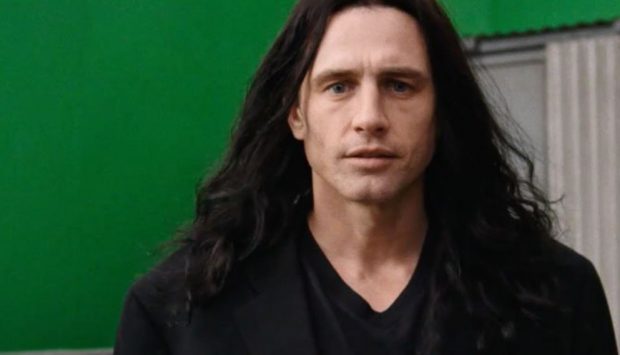
Cinema’s biggest in-joke is dramatised in James Franco’s fan project about the worst film ever made. We discuss the mean-spirited nature of finding films so bad they’re good, the lack of direction in The Disaster Artist, the quality of Franco’s central performance, and why we find the film so self-indulgent.
The podcast can be listened to in the player above or at this link.
 Eavesdropping at the Movies